• Book Free Consultation
  • Buy Your Treatment Now
  • Offers
  • Price List
  • Team
  • Blog
  • Contact Us

Acne

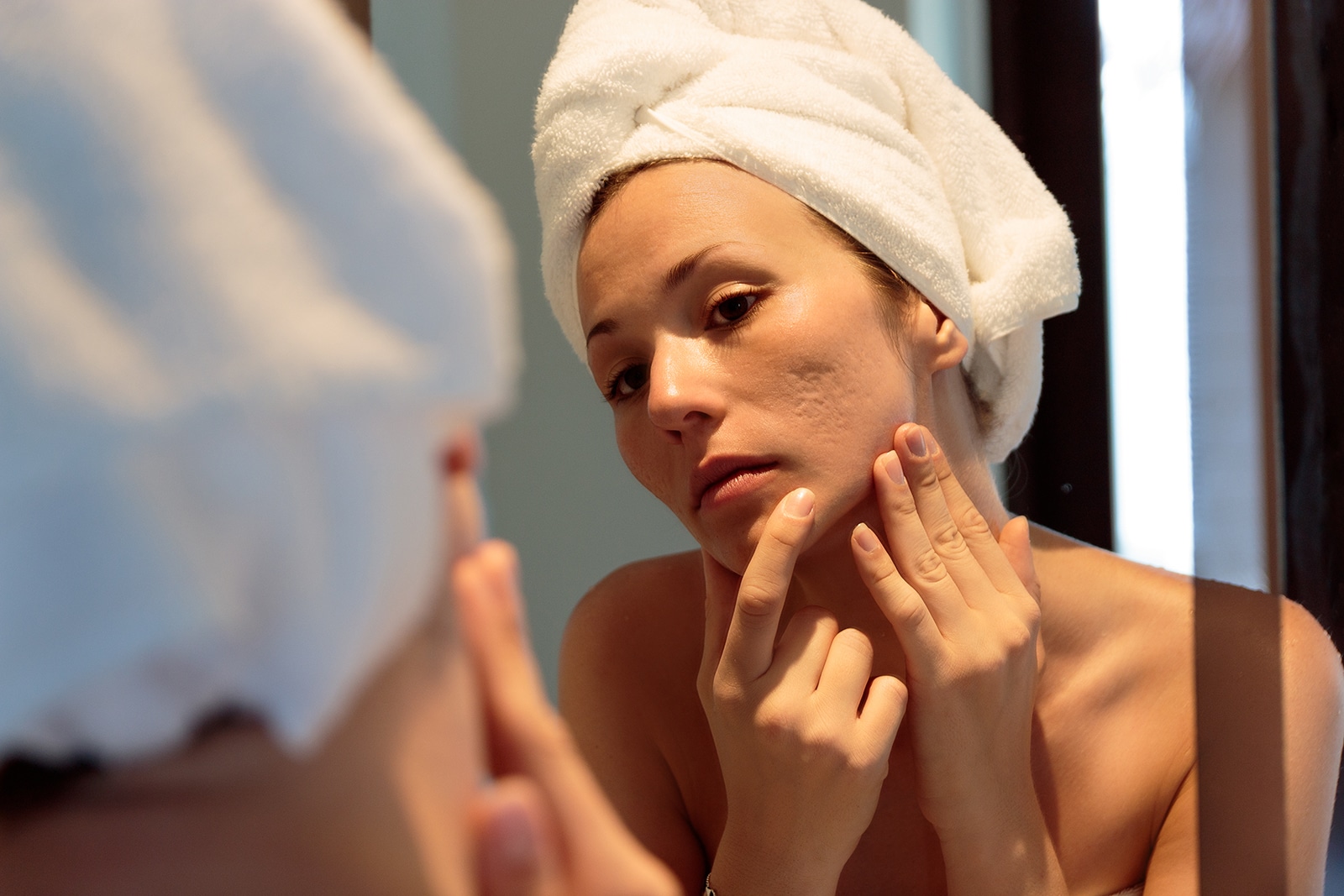
Acne is a very common skin problem seen in many people. It results in spots forming on the face, shoulders, chest and back. Book your free consultation at House of Aesthetics Bromley.

At our Bromley clinic, we provide professional acne treatment for patients aged 14 and above, offering age-appropriate care tailored to each life stage from adolescence through adulthood.

acne treatment bromley

What is Acne? Understanding Your Skin Condition

Acne vulgaris is one of the most common skin conditions affecting people across Bromley and Greater London. This chronic inflammatory disorder of the pilosebaceous unit occurs when hair follicles become clogged with sebum (natural skin oil), dead skin cells, and bacteria, primarily affecting areas with high concentrations of sebaceous glands.

 Whether you’re dealing with teenage acne breakouts or adult-onset acne in Bromley, understanding your skin condition is the first step toward effective treatment.

Common acne-affected areas include the face (99% of cases), chest, back, shoulders, and neck. The condition can range from mild comedonal acne (blackheads and whiteheads) to severe nodulocystic acne requiring professional dermatological intervention.

What Are The Different Types Of Acne?

Understanding the different types of acne is essential for effective treatment and prevention. Acne presents in various forms, locations, and patterns depending on age, hormones, and individual factors. Proper classification helps determine the most appropriate treatment approach for optimal results.

Inflamed vs. Non-Inflamed Acne

The primary classification divides acne into two main categories based on the presence or absence of inflammation and bacterial involvement.

Non-Inflamed Acne (Comedonal Acne)

Non-inflamed acne occurs when pores become clogged without significant bacterial proliferation or immune response.

Inflamed Acne (Inflammatory Acne)

Inflammatory acne develops when Cutibacterium acnes bacteria proliferate in clogged pores, triggering immune response and visible inflammation.

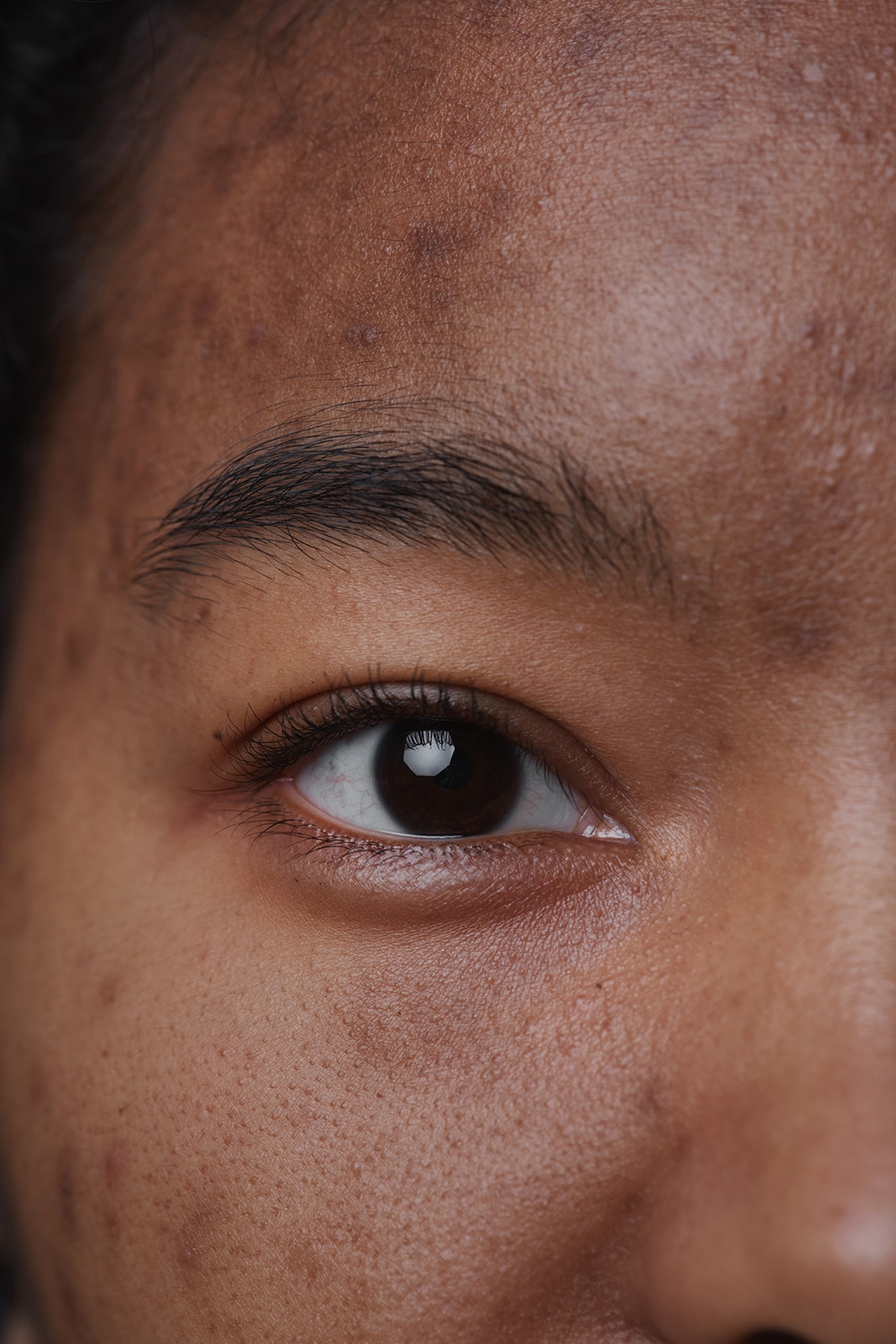
Dark skin acne | acne scar
Acne
At our Bromley clinic, we provide professional acne treatment for patients aged 14 and above.

Root Causes of Acne: What Triggers Breakouts

Understanding acne pathophysiology is essential for effective treatment. Acne develops through four primary pathogenic mechanisms:

  • Follicular Hyperkeratinization: Abnormal keratinization causes dead skin cells to accumulate and block pores, creating microcomedones
  • Excess Sebum Production: Androgens stimulate sebaceous glands to produce excessive oil, especially during hormonal fluctuations
  • Cutibacterium acnes Proliferation: This anaerobic bacteria multiplies in oxygen-free clogged pores, triggering inflammatory responses
  • Inflammatory Response: Bacterial metabolites and immune reactions cause papules, pustules, and deeper inflammatory lesions

Contributing Risk Factors:

  • Genetic Predisposition: Studies show 81% of acne variance is attributable to genetic factors. Family history increases risk by 3-4 fold
  • Hormonal Influences: Androgens, estrogen fluctuations, and insulin-like growth factors significantly impact acne severity
  • Dietary Factors: High-glycemic index foods and dairy products may exacerbate acne in susceptible individuals
  • Environmental Stressors: Chronic stress elevates cortisol levels, triggering inflammatory responses
  • Comedogenic Products: Heavy moisturizers, makeup, and hair products can clog pores and contribute to acne mechanica

Acne Treatments Bromley

At House of Aesthetics, we offer advanced, tailored treatments to treat acne. Treatment selection depends on acne type, severity, patient age, and individual response patterns based on clinical studies.

Treatment Comparison
Treatment Chemical Peels Herbal Green Peels HydraFacial IPL & Q-Switch Laser Resurfacing Blemiderm Protocol
Method Acid-based exfoliation (glycolic, salicylic, TCA) Natural herbal enzyme peeling system Hydrodermabrasion + infusion therapy Intense pulsed light + pigment laser Fractional CO2/Erbium ablation Multi-step depigmentation protocol
Target Concerns Active acne, comedones, surface scarring, oiliness Inflammatory acne, sensitive skin, natural approach Blackheads, congestion, hydration, mild acne Post-inflammatory hyperpigmentation, active acne Atrophic scars, deep texture issues, severe damage Acne-related hyperpigmentation, melasma
Procedure Time 20-30 mins 45-60 mins 30-45 mins 15-30 mins 45-90 mins 60-75 mins
Downtime Mild (2-5 days peeling) Moderate (3-7 days flaking) None (immediate return) Minimal (1-2 days redness) Significant (5-14 days healing) Minimal (slight peeling)
Results Visible Progressive improvement (within 1-2 weeks) Gradual improvement (2-4 weeks) Immediate glow, gradual improvement Gradual improvement (2-6 weeks) Progressive improvement (6-12 weeks) Gradual improvement (4-8 weeks)
Longevity 2-4 months 3-6 months 4-6 weeks 6-12 months 1-3 years 6-18 months
Pain Level Mild to moderate stinging Minimal (natural formulation) Comfortable (cooling sensation) Moderate (rubber band sensation) Moderate to high (topical anaesthetic used) Mild (well-tolerated)
Sessions Required 3-6 treatments 4-8 treatments 4-6 treatments 4-8 treatments 1-3 treatments 6-12 treatments
Treatment Interval 2-4 weeks apart 3-4 weeks apart 2-3 weeks apart 4-6 weeks apart 6-12 months apart 1-2 weeks apart
Ideal For Oily skin, comedonal acne, surface improvement Sensitive skin, natural treatment preference Maintenance, prevention, immediate events Post-inflammatory hyperpigmentation, melasma Severe scarring, advanced skin damage Stubborn pigmentation, professional protocols

Fine Line and Wrinkle Treatments Before and After

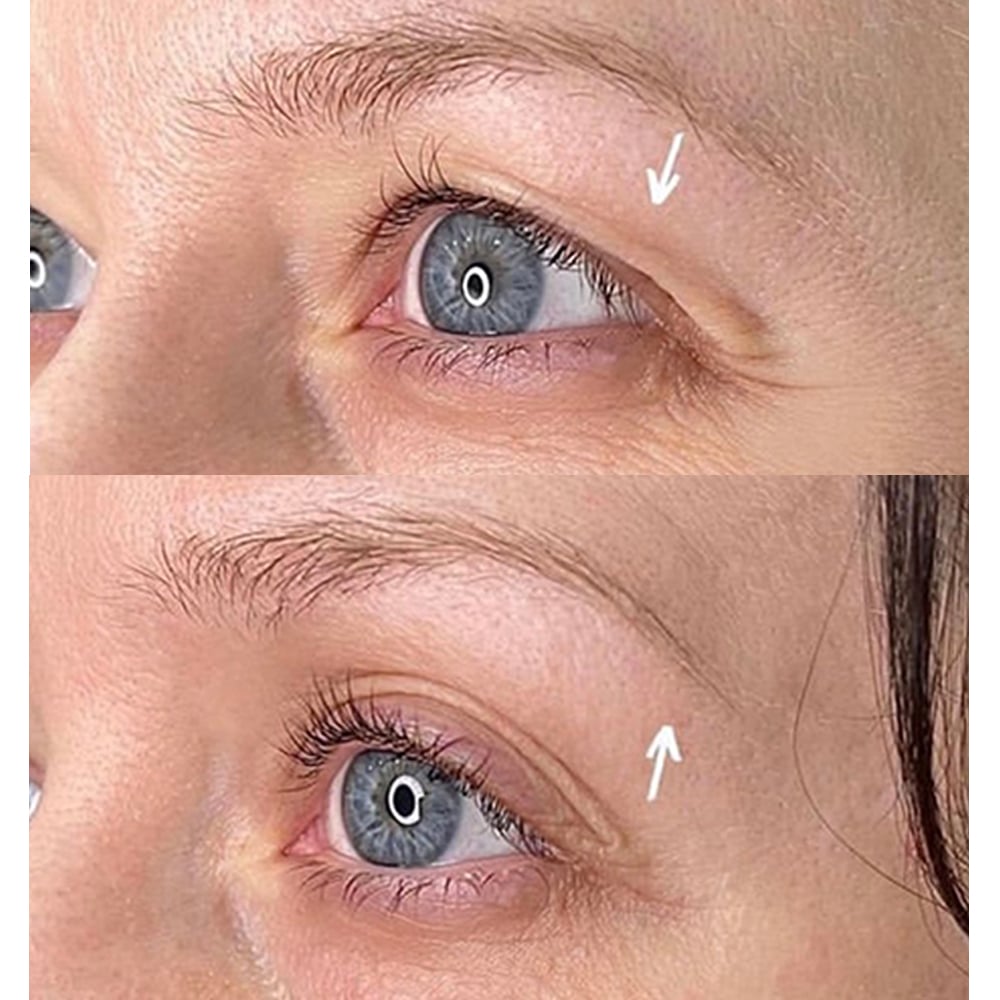
Before and after Morpheus8 under eyes and above eyes treatment bromley
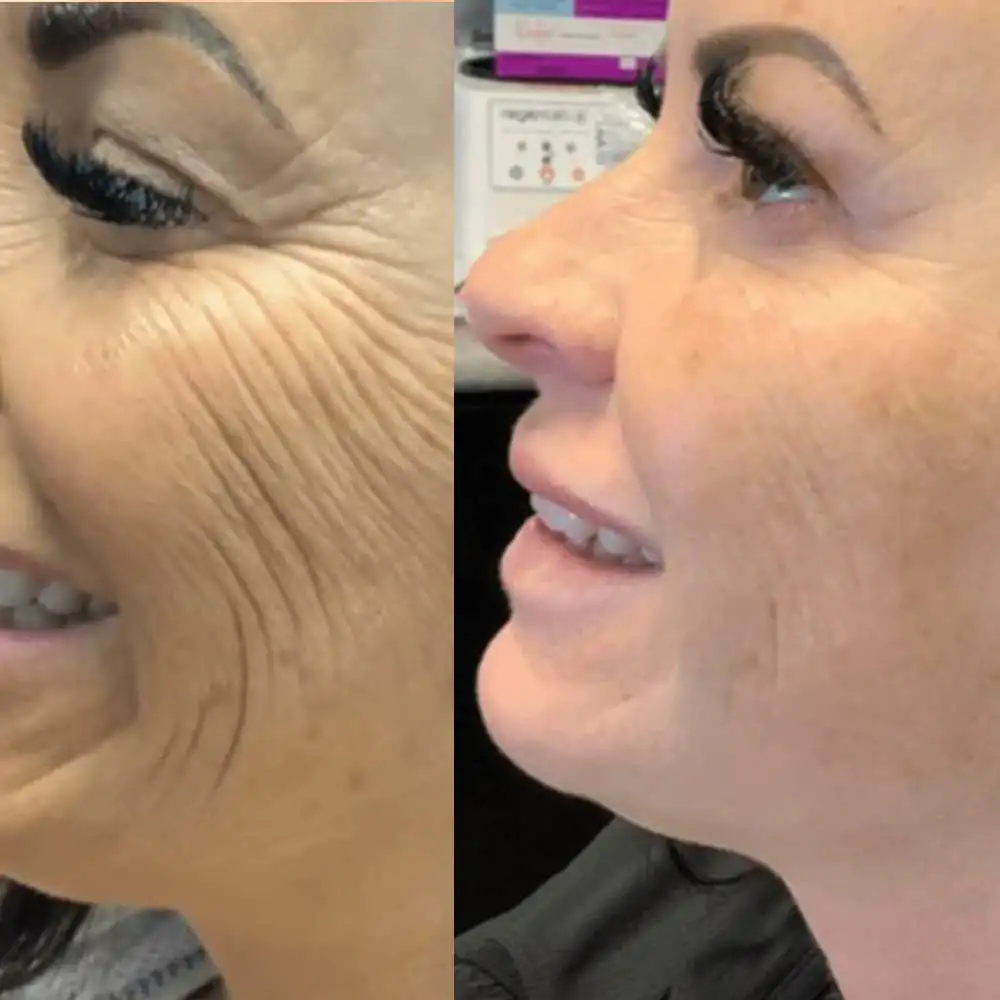
Morpheus8 anti-aging anti-wrinkle firming lifting tightening treatment available in Bromley South East London
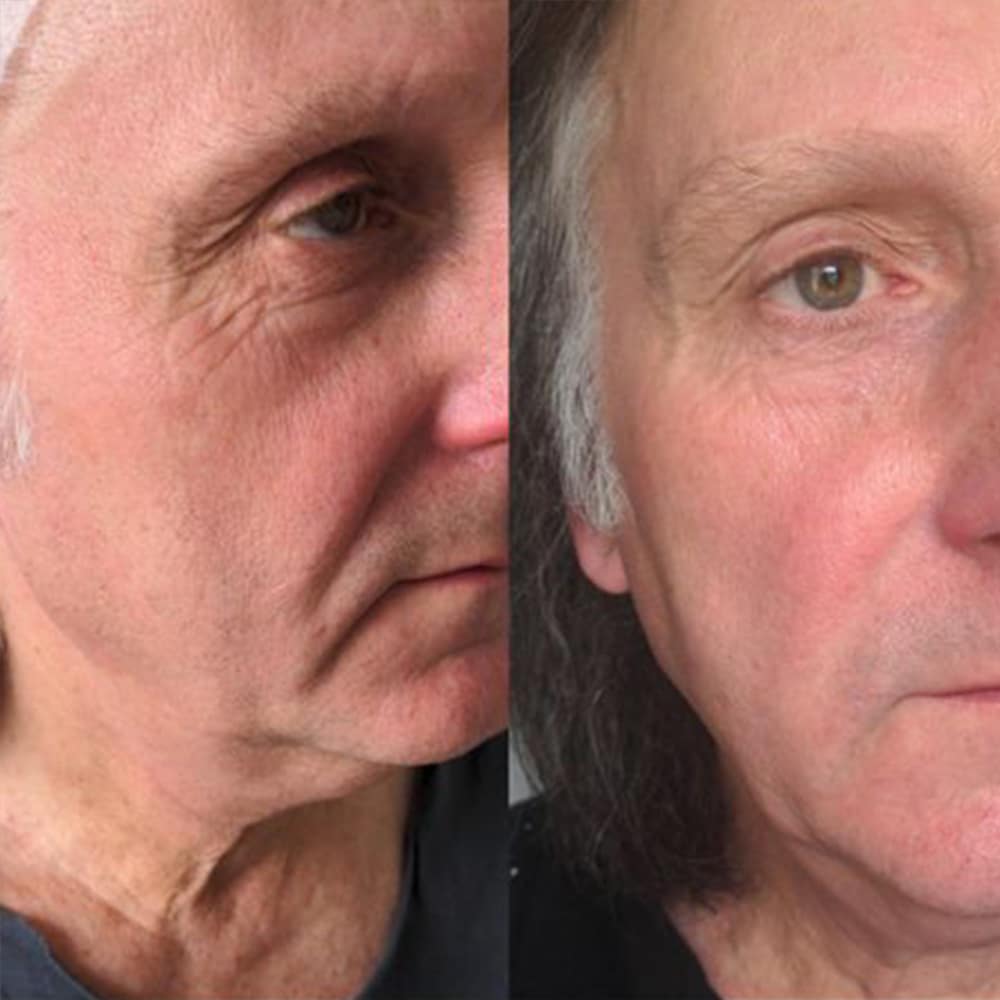
Before and after Morpheus8 Face Treatment Results Bromley
Acne 3

Acne Scars and Post-Inflammatory Changes

Acne scarring and post-inflammatory changes represent the long-term consequences of inflammatory acne lesions. Understanding the different types of acne aftermath is crucial for selecting appropriate treatments and setting realistic expectations for improvement.

Early intervention and proper acne management significantly reduce the risk of permanent scarring, making prevention always preferable to treatment. However, when scars do develop, modern aesthetic medicine offers numerous effective solutions.

Scar Treatment Options:
Modern aesthetic medicine offers numerous effective treatments for acne scars, with selection based on scar type, skin characteristics, and patient preferences. Our Bromley clinic provides comprehensive scar treatment protocols tailored to individual needs and age-appropriate care.
Learn more about our Acne Scarring Treatments. 

Book your free consultation

Book Your Free Consultation for Acne Treatments at House of Aesthetics, Bromley!

Acne Treatments FAQ

Acne develops through four primary factors: excessive oil production, clogged pores from dead skin cells, bacterial overgrowth (Cutibacterium acnes), and inflammation. Contributing factors include genetics (81% of acne variance), hormones, diet, stress, and environmental triggers. Family history increases your risk 3-4 fold.

Our Bromley clinic provides professional acne treatment for patients aged 14 and above. We offer age-appropriate care with parental consultation for patients under 18. Treatment protocols are tailored to each developmental stage, ensuring safe and effective protocols for teenagers and adults.

No. While 85% of people aged 12-24 experience acne, adult acne is increasingly common. Up to 15% of women develop new-onset acne in adulthood, and many continue experiencing breakouts into their 30s and 40s. The average age of acne sufferers has risen to 26.5 years.

Most treatments require 6-8 weeks for initial improvement, with significant results visible by 12-16 weeks. Severe acne may require 6-12 months for optimal clearance. Consistency is crucial – stopping treatment prematurely often leads to relapse.

While some mild acne may improve naturally, moderate to severe acne typically requires professional treatment. Untreated inflammatory acne carries high risks of permanent scarring and post-inflammatory hyperpigmentation. Early intervention significantly improves outcomes.

Yes, when performed by qualified professionals. We offer gentle superficial peels appropriate for patients aged 14 and above. These treatments help with comedones, mild inflammation, and post-inflammatory hyperpigmentation while being suitable for developing skin.


Professional assessment is the most accurate method. However, key indicators include:

  • Comedonal acne: Blackheads and whiteheads without inflammation
  • Inflammatory acne: Red, painful bumps with or without pus
  • Hormonal acne: Jawline and chin breakouts correlating with menstrual cycles
  • Cystic acne: Large, painful, deep lesions that persist for weeks

Blackheads (open comedones) have visible dark plugs due to oxidation when exposed to air. Whiteheads (closed comedones) remain under the skin surface with no opening, appearing as small flesh-colored bumps. Both respond well to retinoids and chemical exfoliation.

Many acne treatments are contraindicated during pregnancy, including retinoids, salicylic acid, and most oral medications. Safe options include azelaic acid, limited benzoyl peroxide use, and gentle chemical peels. We provide specialized pregnancy-safe protocols for expecting mothers.

Yes, with appropriate product selection. Choose non-comedogenic, oil-free formulations labeled “won’t clog pores.” Mineral makeup is often well-tolerated. Remove makeup thoroughly each evening and avoid heavy coverage during active treatment phases.

Some treatments may cause initial purging, where existing microcomedones come to the surface faster. This typically occurs with retinoids and chemical peels, lasting 4-6 weeks. True irritation (excessive redness, burning, peeling) indicates treatment adjustment is needed.

Allergic reactions include immediate redness, swelling, itching, or hives after application. This differs from normal adjustment reactions like mild dryness or temporary irritation. Stop use immediately if allergic reactions occur and consult our clinic.

Yes, many acne treatments increase photosensitivity, including retinoids, AHAs, BHAs, and benzoyl peroxide. Daily broad-spectrum SPF 30+ sunscreen is essential. We recommend mineral sunscreens for sensitive, acne-prone skin.

MORPHEUS8

MORPHEUS 8

ANTI-WRINKLE INJECTIONS

Anti-Wrinkle Injections

DERMAL FILLERS

DERMAL FILLERS

Schedule a Free Consultation

Fill out the form below, and we will be in touch shortly either by phone, WhatsApp or email to book your free consultation.