• Book Free Consultation
  • Buy Your Treatment Now
  • Offers
  • Price List
  • Team
  • Blog
  • Contact Us
anti wrinkle injections vs dermal fillers

Date

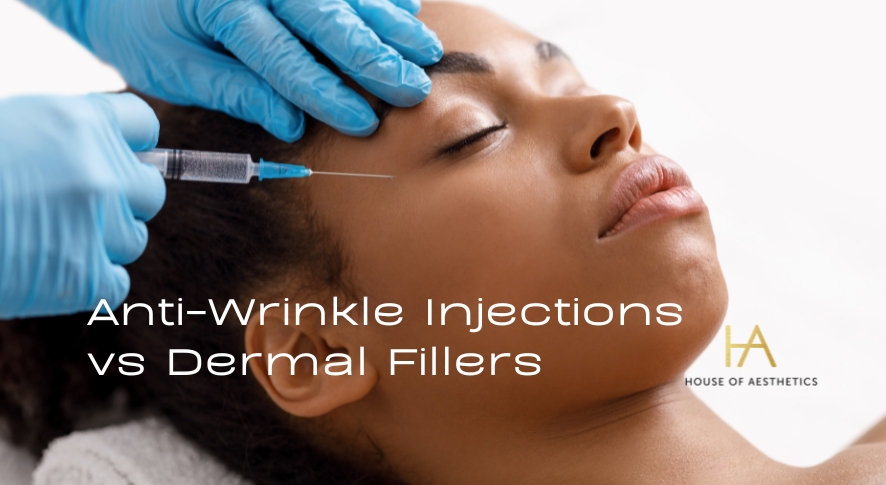
Anti-Wrinkle Injections vs Dermal Fillers: What's the Difference?

If you’re considering cosmetic treatments to refresh your appearance, you’ve likely come across two popular options: anti-wrinkle injections and dermal fillers. While both can help you achieve a more youthful look, they work in fundamentally different ways and address different concerns. Understanding these differences is key to choosing the right treatment for your goals.

What Are Anti-Wrinkle Injections?

Anti-wrinkle injections, commonly known by brand names like Botox, Dysport, or Xeomin, contain botulinum toxin type A. These injections work by temporarily relaxing the muscles beneath the skin that cause dynamic wrinkles—the lines that appear when you make facial expressions.

How They Work

When injected into specific facial muscles, the botulinum toxin blocks nerve signals that tell muscles to contract. This muscle relaxation smooths out existing wrinkles and prevents new ones from forming. The effect is temporary, typically lasting 3-4 months, after which the muscle activity gradually returns.

What They Treat

Anti-wrinkle injections are ideal for:

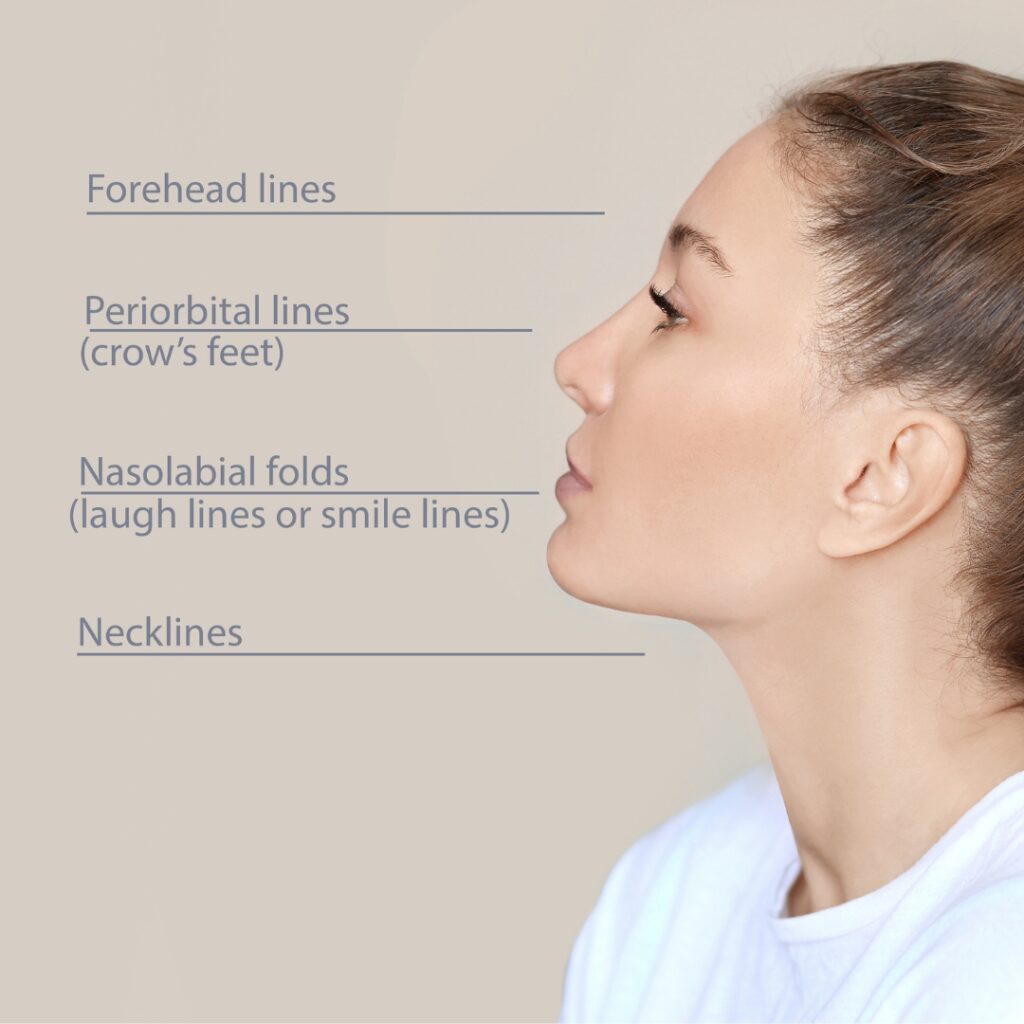
  • Forehead lines
  • Frown lines between the eyebrows (glabellar lines)
  • Crow’s feet around the eyes
  • Bunny lines on the nose
  • Excessive sweating (hyperhidrosis)
  • Jaw tension and teeth grinding

What Are Dermal Fillers?

Dermal fillers are gel-like substances injected beneath the skin to restore lost volume, smooth lines, and enhance facial contours. Most modern fillers are made from hyaluronic acid, a naturally occurring substance in the body that helps skin retain moisture and remain plump.

How They Work

Unlike anti-wrinkle injections that relax muscles, dermal fillers physically fill in areas that have lost volume due to aging or add volume to areas you wish to enhance. They work by plumping up the skin from underneath, filling in deep lines, and restoring facial structure.

What They Treat

Dermal fillers are excellent for:

  • Nasolabial folds (smile lines)
  • Marionette lines around the mouth
  • Lip enhancement and definition
  • Cheek augmentation
  • Hollow under-eye areas
  • Chin and jawline contouring
  • Hand rejuvenation
dermal fillers bromley

Key Differences at a Glance

Purpose

  • Anti-wrinkle injections: Relax muscles to prevent and reduce dynamic wrinkles
  • Dermal fillers: Add volume and fill in static wrinkles or enhance features

Treatment Areas

  • Anti-wrinkle injections: Upper face (forehead, around eyes, between brows)
  • Dermal fillers: Mid-to-lower face and lips, though can be used throughout the face

Results Timeline

  • Anti-wrinkle injections: Results appear gradually over 3-14 days
  • Dermal fillers: Results are immediate, though may improve as any swelling subsides

Duration

  • Anti-wrinkle injections: 3-4 months on average
  • Dermal fillers: 6-18 months depending on the type and area treated

Mechanism

  • Anti-wrinkle injections: Neurotoxin that blocks muscle movement
  • Dermal fillers: Gel substance that adds physical volume
anti-wrinkle injections bromley

Can You Use Both?

Absolutely! Many people combine anti-wrinkle injections and dermal fillers for comprehensive facial rejuvenation. For example, you might use anti-wrinkle injections to smooth crow’s feet and forehead lines, while using fillers to restore volume to your cheeks and lips. This combination approach addresses both muscle-related wrinkles and volume loss for more complete results.

Which One Is Right for You?

The best treatment depends on your specific concerns:

Choose anti-wrinkle injections if you want to:

  • Reduce expression lines
  • Prevent wrinkles from deepening
  • Achieve a smoother, more relaxed appearance in the upper face

Choose dermal fillers if you want to:

  • Restore lost facial volume
  • Fill in deep lines and wrinkles
  • Enhance lips or facial contours
  • Address signs of aging in the mid-to-lower face

Important Considerations

Both treatments should only be performed by qualified, experienced practitioners. A thorough consultation is essential to discuss your goals, medical history, and determine which treatment—or combination of treatments—will help you achieve the best results.

Side effects are generally minimal but can include temporary redness, swelling, or bruising at injection sites. Serious complications are rare when treatments are performed by skilled professionals.

The Bottom Line

While anti-wrinkle injections and dermal fillers are both injectable treatments that can help you look refreshed and youthful, they serve different purposes. Anti-wrinkle injections target the muscles that create wrinkles, while dermal fillers replace lost volume and enhance facial structure. Understanding these differences—and working with a qualified practitioner—will help you make the best choice for your aesthetic goals.

Remember, the most natural-looking results often come from a customized treatment plan that may include both types of injectables, along with good skincare and sun protection.

More
articles

Schedule a Free Consultation

Fill out the form below, and we will be in touch shortly either by phone, WhatsApp or email to book your free consultation.