What NOT to Do with Active Acne: 12 Common Mistakes That Make Breakouts Worse
Dealing with active acne can be frustrating, and it’s tempting to try every treatment or quick fix you can find. However, certain actions can actually worsen your breakouts, spread bacteria, and lead to scarring. Here are the most important things to avoid when you have active acne.
1. Don't Get HydraFacials or Aggressive Facials
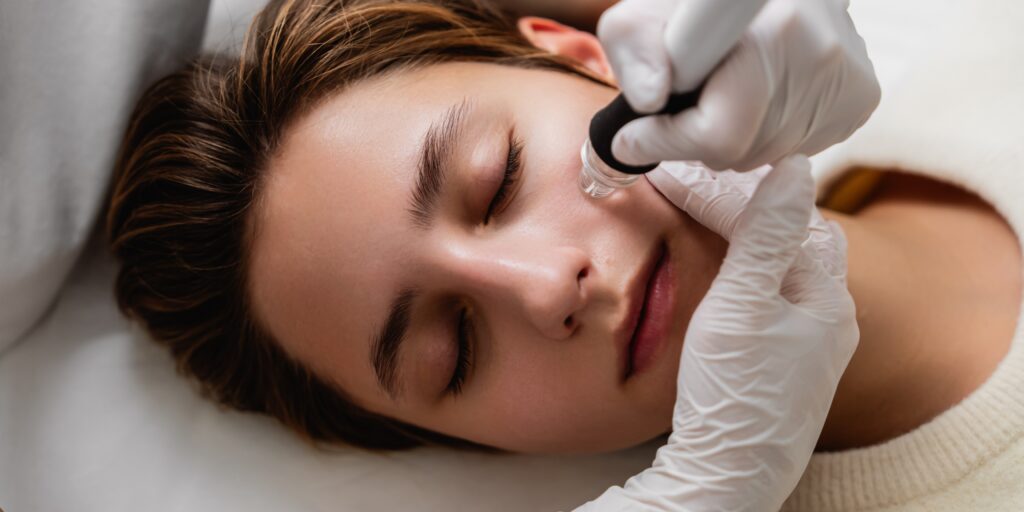
Avoid HydraFacials during active breakouts. The suction and extraction process can spread bacteria from existing pimples to healthy skin, potentially causing new breakouts in surrounding areas. The mechanical pressure can also rupture inflamed lesions beneath the skin, leading to deeper inflammation and potential scarring.
Alternative: Wait until your active breakouts have healed before scheduling professional facial treatments.
2. Never Pick, Pop, or Squeeze Active Acne
This is the golden rule of acne care. Picking at active acne can:
- Push bacteria deeper into the skin
- Cause permanent scarring
- Spread infection to nearby pores
- Turn a small blemish into a large, inflamed cyst
Alternative: Use spot treatments with benzoyl peroxide or salicylic acid instead.
3. Don’t Over-Wash Your Face
Washing your face more than twice daily can strip your skin of natural oils, causing it to produce even more oil to compensate. This rebound effect can worsen acne and cause irritation.
Alternative: Stick to gentle cleansing twice daily with a mild, non-comedogenic cleanser.
4. Avoid Harsh Scrubs and Exfoliants
Physical scrubs with rough particles can irritate inflamed skin and spread bacteria. Over-exfoliating with chemical exfoliants can also damage your skin barrier and increase sensitivity.
Alternative: Use gentle chemical exfoliants like salicylic acid 1-2 times per week maximum.
5. Don’t Use Multiple Acne Treatments at Once
Combining several acne-fighting ingredients (like benzoyl peroxide, salicylic acid, and retinoids) can cause severe dryness, irritation, and actually make acne worse.
Alternative: Introduce one new acne treatment at a time and allow 6-8 weeks to see results.
6. Never Apply Heavy, Pore-Clogging Products
Avoid thick creams, oils, and products labeled as comedogenic when you have active breakouts. These can block pores and feed acne-causing bacteria.
Products to avoid:
- Coconut oil
- Heavy moisturizers with petrolatum
- Oil-based makeup primers
- Thick sunscreens without “non-comedogenic” labels
7. Don't Skip Moisturizer Completely
Many people with acne think they should avoid all moisturizers, but this can backfire. Dry skin produces more oil and becomes more prone to irritation from acne treatments.
Alternative: Use a lightweight, oil-free, non-comedogenic moisturizer.
8. Avoid Touching Your Face Throughout the Day
Your hands carry bacteria, oil, and dirt that can transfer to your face and clog pores. Unconscious face-touching is one of the most common ways to spread acne bacteria.
Alternative: Keep your hands busy and be mindful of this habit.
9. Don’t Use Expired Acne Products
Old acne medications lose their effectiveness and can harbor bacteria. Expired products may also cause irritation or allergic reactions.
Alternative: Check expiration dates regularly and replace products as needed.
10. Never Sleep on Dirty Pillowcases
Pillowcases collect oil, dead skin cells, and bacteria from your hair and face. Sleeping on the same pillowcase for weeks can reintroduce these irritants to your skin.
Alternative: Change pillowcases every 2-3 days, or use a fresh towel over your pillow each night.
11. Don’t Apply Makeup Directly Over Active Breakouts
Heavy makeup can clog pores and trap bacteria, especially when applied over active pimples. Makeup brushes can also spread bacteria if not cleaned regularly.
Alternatives:
- Use non-comedogenic, oil-free makeup
- Clean brushes weekly
- Consider mineral makeup for lighter coverage
12. Avoid These Common Household “Remedies”
While natural remedies are popular, some can seriously damage acne-prone skin:
- Lemon juice: Too acidic and can cause burns
- Baking soda: Disrupts skin’s pH balance
- Hydrogen peroxide: Can cause severe irritation
- Rubbing alcohol: Over-dries and irritates skin
What TO Do Instead: Quick Action Plan
- Use gentle, consistent skincare: Mild cleanser, non-comedogenic moisturizer, broad-spectrum SPF
- Choose one proven acne ingredient: Start with salicylic acid or benzoyl peroxide
- Be patient: Allow 6-12 weeks for treatments to work
- Consider professional help: See a dermatologist if OTC treatments aren’t working after 3 months
When to See a Dermatologist
Consult a dermatologist if you experience:
- Painful, deep cystic acne
- Acne that doesn’t respond to OTC treatments after 3 months
- Signs of scarring
- Severe emotional distress from acne
Frequently Asked Questions About Acne Treatments
Q: Can I use ice on active acne to reduce inflammation?
A: While ice can temporarily reduce swelling, applying it directly to acne can damage your skin and potentially push bacteria deeper. If you want to use cold therapy, wrap ice in a clean cloth and apply for no more than 5-10 minutes.
Q: Is it okay to use a clay mask when I have active breakouts?
A: Clay masks can be beneficial for acne-prone skin, but avoid using them on actively inflamed pimples. Clay masks work best for prevention on clear skin. If you have mixed skin with some active acne, apply the mask only to clear areas.
Q: How long should I wait between trying different acne treatments?
A: Give each new treatment at least 6-8 weeks to work before switching. Your skin needs time to adjust and show results. Switching treatments too quickly can irritate your skin and make it difficult to identify what’s actually helping.
Q: Can I exercise with active acne?
A: Yes, but take precautions. Shower immediately after working out, avoid touching your face during exercise, and use clean towels. Sweat itself doesn’t cause acne, but bacteria and oil trapped against the skin can worsen breakouts.
Q: Is it safe to wear sunscreen over active acne?
A: Absolutely! Sunscreen is crucial, especially when using acne treatments that increase sun sensitivity. Choose oil-free, non-comedogenic formulas. Mineral sunscreens with zinc oxide or titanium dioxide are often gentler for acne-prone skin.
Q: What’s the difference between active acne and post-acne marks?
A: Active acne includes inflamed pimples, whiteheads, blackheads, and cystic lesions. Post-acne marks are the red, brown, or dark spots left behind after acne heals. The treatment approach differs significantly between the two.
Q: Can stress really make my acne worse?
A: Yes, stress increases cortisol production, which can trigger more oil production and inflammation. While you can’t always control stress, managing it through sleep, exercise, and relaxation techniques can help your skin.
Q: Should I change my diet when dealing with active acne?
A: While diet isn’t the primary cause of acne, some people find that dairy or high-glycemic foods worsen their breakouts. Keep a food diary to identify potential triggers, but don’t make drastic dietary changes without consulting a healthcare provider.
Q: Can I use retinoids on active acne?
A: Retinoids can be very effective for acne, but they should be introduced gradually and preferably under dermatologist guidance. Start with lower concentrations and use them every other night initially to avoid irritation.
Q: How do I know if my acne is getting worse or just “purging” from a new treatment?
A: Purging typically occurs in areas where you normally break out and should improve within 4-6 weeks. If you’re getting new acne in areas where you don’t usually break out, or if it continues worsening after 6 weeks, discontinue the product and consult a dermatologist.
Â
The Bottom Line
Treating active acne requires patience and the right approach. Avoiding these common mistakes can prevent your breakouts from getting worse and help your skin heal more effectively. Remember, gentle and consistent care almost always wins over aggressive treatments when it comes to acne management.