What Actually Helps
Let the weight stabilise. Shedding driven by rapid change tends to settle once the change does. A slower pace of loss is gentler on your hair, and that is a conversation to have with whoever is supporting your weight loss.
Look after nutrition. Protein matters, and so do iron, zinc and vitamin D. Ask your GP about checking your iron levels, particularly ferritin, along with thyroid function, because both are common and treatable contributors to shedding that often go unnoticed. A dietitian is genuinely useful here if you are eating much less than before.
Be sceptical of hair supplements. Correcting a deficiency you actually have is worthwhile. Taking high-dose supplements for a deficiency you do not have is not, and some can cause problems of their own. Test first.
Be gentle. Avoid tight styles, limit heat, and be careful brushing wet hair. This will not stop a shed, but it prevents unnecessary breakage on top of it.
Do not panic-buy treatments. During an active shed, it is difficult to tell what is working. Getting a baseline assessment first means you can actually measure change later.
What About Facial and Skin Changes?
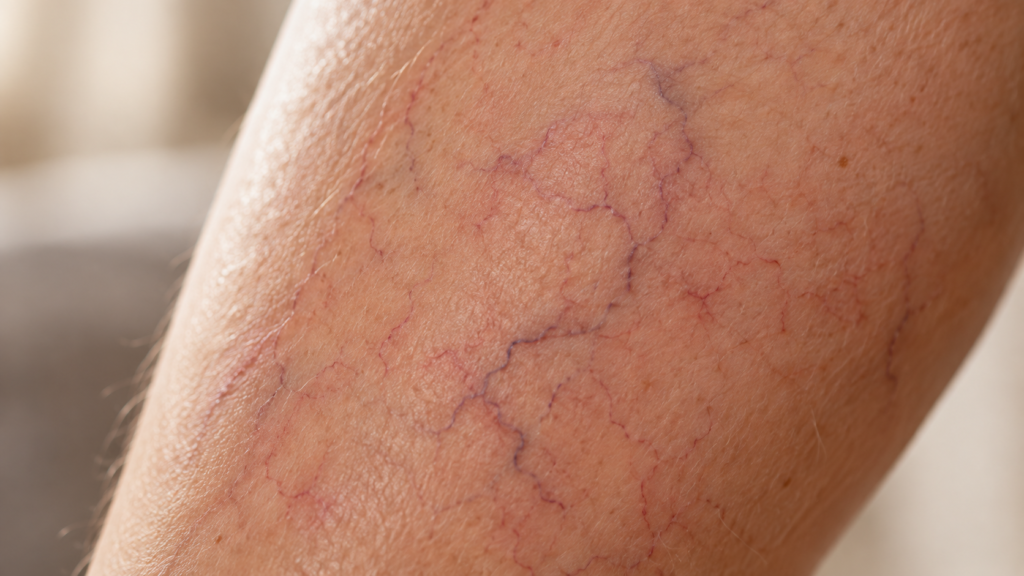
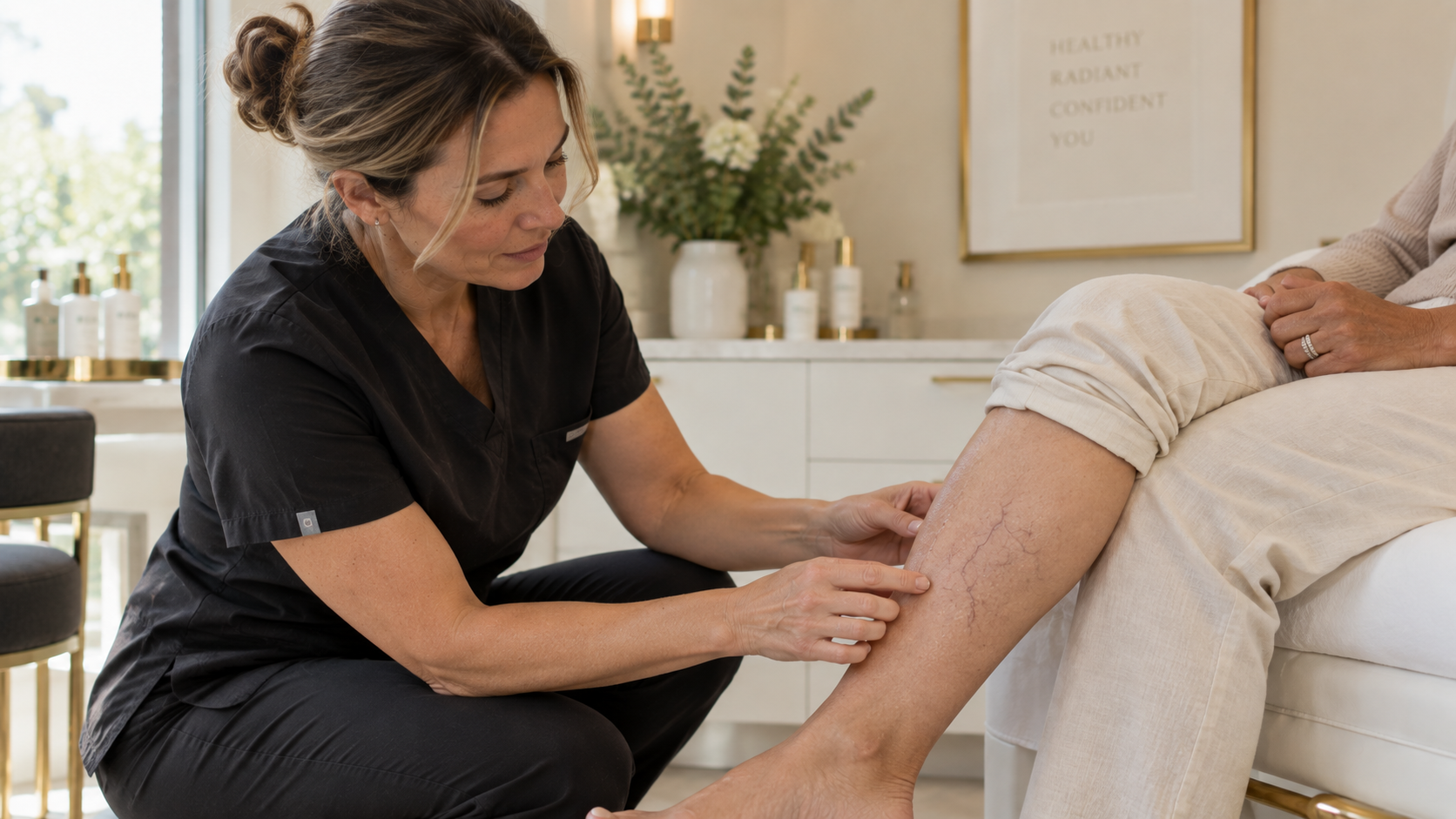
Hair is not the only thing people notice after significant weight loss. Facial volume loss and skin laxity are common, and happen for the same underlying reason: fat volume reduces faster than skin can retract around it.
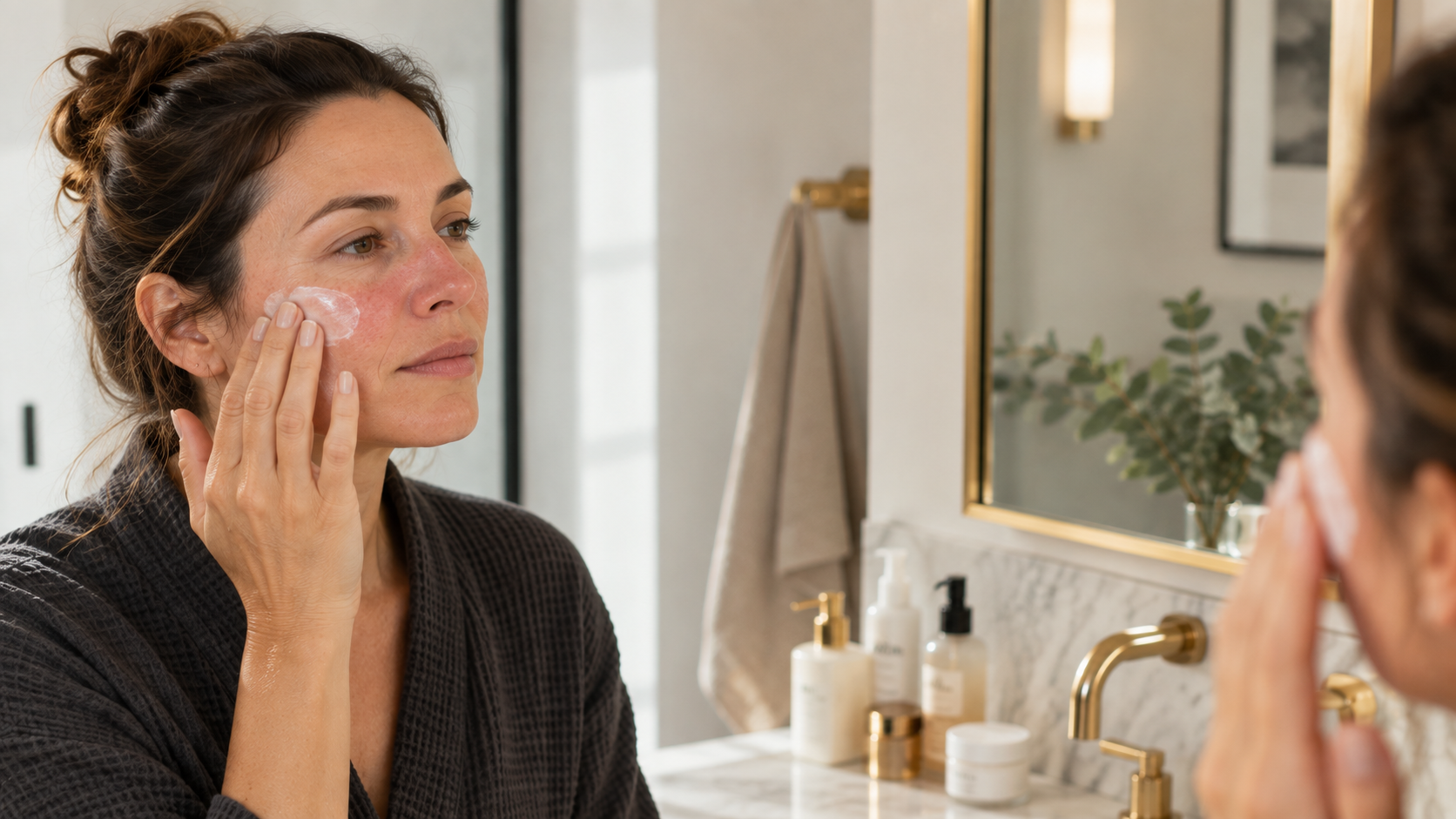
Published reviews describe facial changes after rapid weight loss as involving loss of collagen and elastin, reduced fat and muscle volume, and increased skin laxity, producing an appearance that can look prematurely aged. It is worth saying that this is associated with the extent and speed of weight loss generally, not with any single method of achieving it.
Skin firmness and facial volume sit with our sister clinic, House of Aesthetics, where collagen-stimulating and skin-tightening treatments are available. [CONFIRM: internal link to the relevant HoA page]
When to Get Your Hair Assessed
Book an assessment if:
- shedding has continued for more than six months
- your weight has been stable for several months but your hair has not recovered
- you can see scalp through your parting, or your ponytail feels noticeably thinner
- the thinning follows a pattern, such as the crown or temples, rather than being spread evenly
- you have smooth, shiny patches where the follicle openings seem to have disappeared, which needs prompt medical assessment rather than a cosmetic one
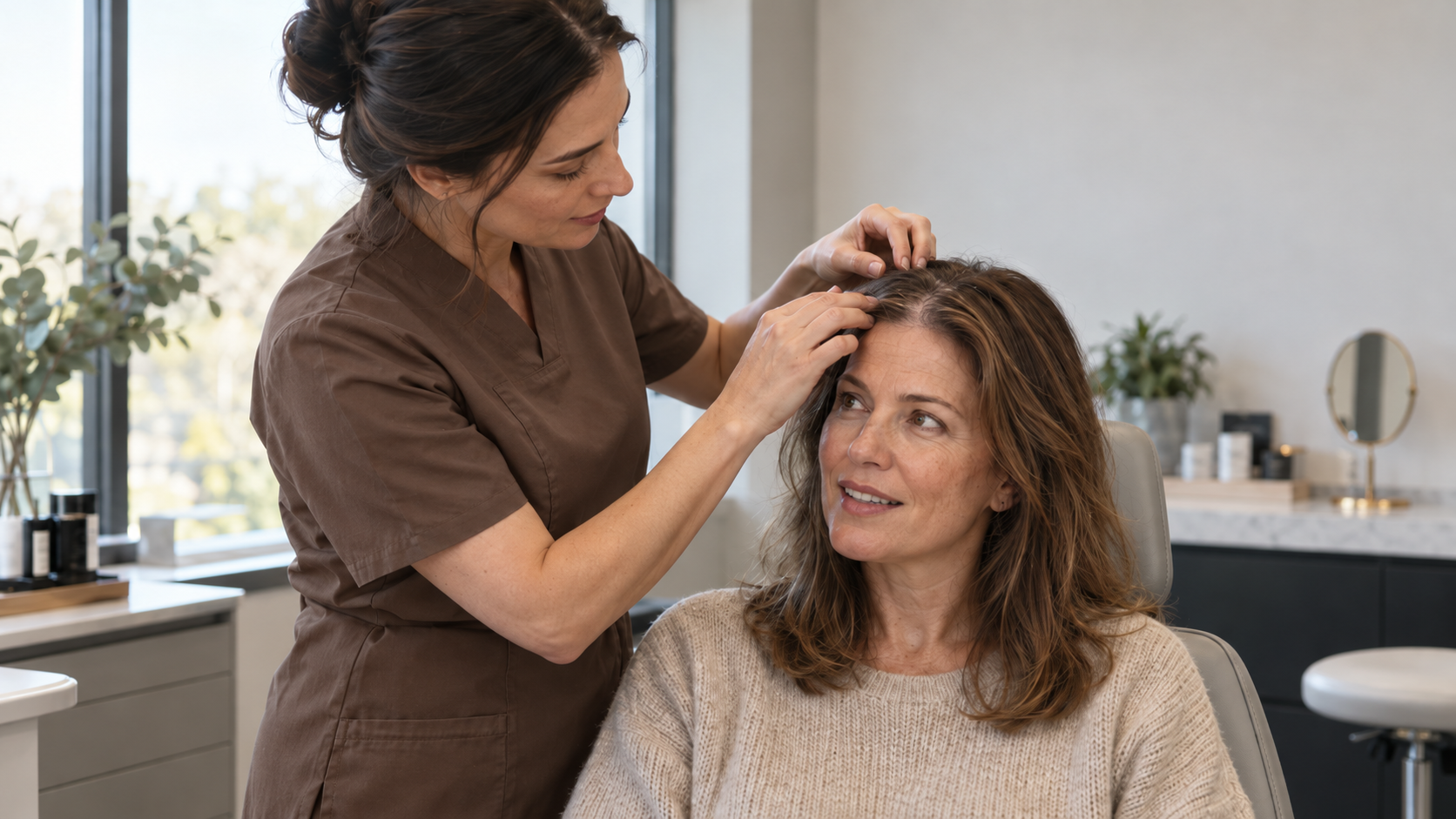
At House of Aesthetics in Bromley we will look at your scalp and hair properly, take a history including your weight change and any blood tests you have had, and tell you honestly whether what you are seeing is recovering shedding or something that would benefit from treatment. If treatment is appropriate once things have settled, you can see the approaches we offer on our hair loss treatments page, including PRP for hair loss and LED hair therapy.
Frequently Asked Questions
Does hair grow back after weight loss? Usually, yes. Shedding after rapid weight loss is telogen effluvium, which is non-scarring, meaning the follicles are not damaged. Hair generally recovers once weight has stabilised and nutrition has improved, although visible density often takes six to twelve months to return. Results vary, and in some cases a heavy shed reveals underlying pattern hair loss that needs separate treatment.
Why did my hair start falling out months after I lost the weight? That delay is characteristic. Hairs pushed into their resting phase stay in place for roughly two to three months before being released, so shedding typically begins well after the trigger. It is one of the clearest signs that this is telogen effluvium rather than something else.
Should I stop my weight-loss medication if my hair is shedding? That is a decision for the clinician who prescribed it, not one to make alone and not one we can advise on. Speak to your prescriber, who may be able to discuss the pace of your weight loss. House of Aesthetics does not prescribe or supply weight-loss medication.
Will hair supplements fix it? Only if you are genuinely deficient. Correcting a real shortfall in iron, vitamin D or another nutrient can help, but taking high doses without a deficiency does not accelerate growth and some supplements carry their own risks. Ask your GP to check your levels first.
How can I tell if it is temporary shedding or something more? Telogen effluvium is diffuse, spread across the whole scalp, and settles once the trigger resolves. Pattern hair loss follows a recognisable distribution at the crown or temples and continues to progress. The two often occur together, which is why an in-person assessment is more reliable than self-diagnosis.
Can I start hair treatment while I am still losing weight? It is usually better to wait until your weight has stabilised, because results are difficult to judge during an active shed. A baseline assessment now is still worthwhile, since it gives you something to measure against later.
Book an Assessment
If your hair has not recovered the way you expected, an assessment will tell you what is actually happening and whether treatment would help.
Book a free consultation at House of Aesthetics in Bromley. We will assess your scalp and hair, talk through your history, and give you an honest view. If the answer is that your hair simply needs more time, we will tell you that.
Visit us at 14 Market Square, Bromley BR1 1NA or book online.
 Skip to content