• Book Free Consultation
  • Buy Your Treatment Now
  • Offers
  • Price List
  • Team
  • Blog
  • Contact Us
electrolysis blog

Date

Milia Removal Electrolysis vs CryoPen - Finding the Right Treatment for You

Those tiny white bumps on your skin that won’t budge no matter how much you exfoliate? You’re likely dealing with milia. These small, keratin-filled cysts are incredibly common, completely harmless, but understandably frustrating when they affect your confidence. The good news is that professional removal treatments can eliminate milia effectively and safely.

At our clinic, we offer two proven methods for milia removal: electrolysis and CryoPen. While both treatments have their place, understanding how they work will help you make the best choice for your skin.

What Is Milia?

Milia are small, white or yellowish bumps that typically appear on the face, particularly around the eyes, cheeks, and nose. They form when keratin becomes trapped beneath the skin’s surface, creating tiny cysts. Unlike acne, milia don’t have an opening to the surface, which is why they can’t be extracted at home.

Common causes include:

  • Skin damage from sun exposure or burns
  • Use of heavy skincare products
  • Natural skin regeneration processes
  • Certain skin conditions

Electrolysis for Milia Removal: The Gold Standard

Electrolysis is widely considered the most effective treatment for milia removal, offering precision, minimal discomfort, and excellent results. This tried-and-tested method has been used successfully for decades and remains the preferred choice for many skincare professionals.

How Electrolysis Works

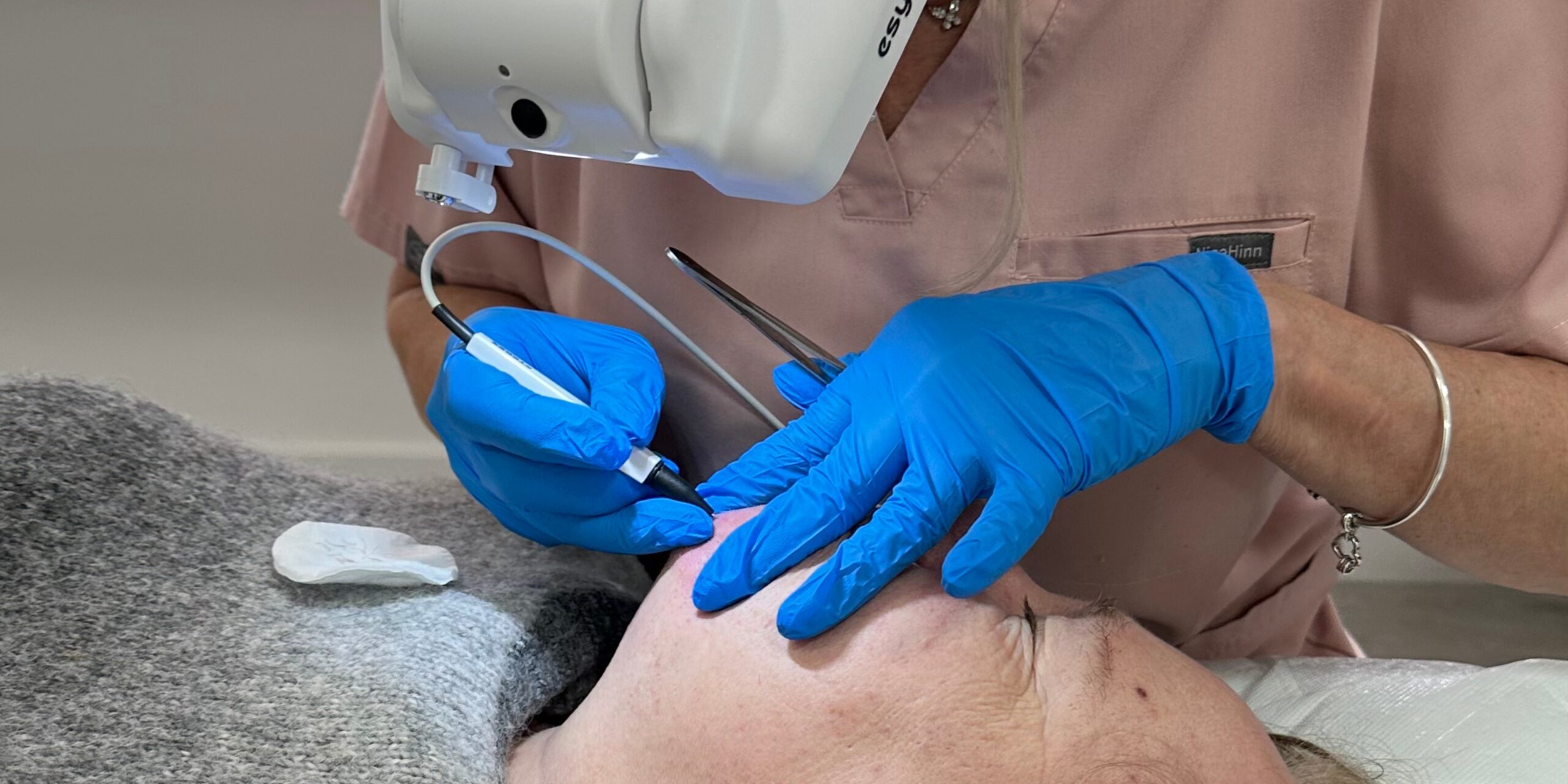
During electrolysis treatment, a very fine, sterile probe is inserted into the milia. A tiny amount of electrical current is applied, which creates heat that effectively destroys the keratin-filled pocket. The contents can then be gently extracted, leaving clear skin behind.

Why Electrolysis Excels for Milia

Immediate Results: Unlike treatments that require waiting, electrolysis removes milia in a single session. You’ll see results immediately after treatment.

Precision Targeting: The ultra-fine probe allows for extremely accurate treatment, even for the smallest milia or those in delicate areas like around the eyes. This precision means surrounding healthy skin remains completely unaffected.

Minimal Downtime: Most clients experience only slight redness that subsides within a few hours. You can typically return to your normal activities immediately.

Suitable for All Skin Types: Electrolysis works effectively on all skin tones and types without risk of pigmentation changes.

Safe for Sensitive Areas: The controlled nature of electrolysis makes it ideal for treating milia around the eyes, where many other treatments cannot safely be used.

No Risk of Scarring: When performed by a trained professional, electrolysis carries minimal risk and doesn’t damage surrounding tissue.

Long-lasting Results: Once a milia is removed via electrolysis, that specific bump is gone for good, though new milia can form in different areas.

What to Expect During Electrolysis Treatment

Your treatment begins with a thorough skin consultation. The area is cleansed, and if needed, a topical numbing cream may be applied for comfort. The actual treatment is quick—most milia take only seconds to treat. You might feel a slight warmth or tingling sensation, but most clients find it very tolerable.

After treatment, you’ll receive aftercare instructions to ensure optimal healing. These typically include keeping the area clean, avoiding makeup for 24 hours, and using a gentle, fragrance-free moisturizer.

CryoPen: The Freezing Alternative

CryoPen offers another approach to milia removal using cryotherapy technology. This method uses a pen-like device that delivers a precise stream of nitrous oxide, freezing the milia at extremely cold temperatures.

How CryoPen Works

The device delivers nitrous oxide at -89°C directly to the milia, freezing it and causing the cells to crystalize. Over the following days, the frozen milia will naturally fall off as part of your skin’s healing process.

CryoPen Considerations

Treatment Time: The freezing process itself is quick, taking just seconds per milia.

Healing Process: Unlike electrolysis, results aren’t immediate. The milia will darken over several days before falling off, typically within 1-2 weeks.

Sensation: Most people describe a cold, stinging sensation during treatment that subsides quickly.

Limitations: CryoPen may not be suitable for very small milia or those in extremely delicate areas. Multiple treatments may be needed for stubborn cases.

Skin Reaction: Some temporary redness, swelling, or blistering can occur, and there’s a slight risk of temporary pigmentation changes, particularly in darker skin tones.

Milia Removal Electrolysis vs CryoPen

Comparing Electrolysis and CryoPen

FactorElectrolysisCryoPen
Results TimelineImmediate1-2 weeks
PrecisionExtremely preciseVery good
Suitable for Eye AreaYes, excellentLimited
All Skin TonesYes, completely safeGenerally safe, slight pigmentation risk
DowntimeMinimal, hoursMinimal to moderate, days
Sessions Typically NeededUsually oneSometimes multiple
Discomfort LevelMinimal warmth/tinglingCold, brief stinging

Milia Removal Electrolysis vs CryoPen Which Treatment Is Right for You?

Choose electrolysis if you want:

  • Immediate, visible results
  • Treatment for milia around the eyes or sensitive areas
  • The most proven, established method
  • One-and-done treatment with minimal healing time
  • A solution suitable for absolutely any skin type

Consider CryoPen if:

  • Your milia are on less sensitive facial areas
  • You’re comfortable with a healing period
  • You prefer a freezing sensation to warmth

Milia Removal FAQ: Your Questions Answered

What exactly are milia?

Milia are small, white or yellowish bumps that form when keratin (a protein found in skin) becomes trapped beneath the surface. They’re essentially tiny cysts filled with dead skin cells and appear most commonly on the face, particularly around the eyes, cheeks, nose, and forehead.

Can milia go away on their own?

While some milia may eventually disappear naturally, this process can take weeks, months, or even years. Many milia are persistent and won’t resolve without professional treatment. If milia bother you cosmetically, professional removal is the fastest and most reliable solution.

Why can’t I just squeeze or pop milia at home?

Unlike pimples, milia don’t have an opening to the skin’s surface. They’re trapped beneath a layer of skin, so squeezing won’t work. Attempting to extract them yourself can lead to scarring, infection, broken capillaries, and further skin damage. Professional treatment uses specialized techniques to safely access and remove the trapped keratin.

How does electrolysis remove milia?

Electrolysis uses a very fine, sterile probe that’s inserted into the milia. A tiny electrical current creates heat that breaks down the keratin pocket. The contents are then gently extracted, removing the milia completely. It’s a precise, controlled process that targets only the affected area.

Does electrolysis for milia hurt?

Most clients describe the sensation as a slight warmth or tingling. The discomfort is minimal and brief—usually just a few seconds per milia. If you’re concerned about sensitivity, we can apply a topical numbing cream beforehand, though many clients find this unnecessary.

Will electrolysis leave scars?

When performed by a trained professional, electrolysis carries minimal risk of scarring. The technique is designed to treat only the milia itself without damaging surrounding tissue. Following proper aftercare instructions further ensures optimal healing.

Can electrolysis treat milia on all skin types and tones?

Yes! Electrolysis is suitable for all skin types and tones without risk of hyperpigmentation or other pigmentation changes. This makes it an excellent choice for everyone, regardless of complexion.

How does CryoPen remove milia?

CryoPen delivers a precise stream of nitrous oxide at -89°C directly to the milia, freezing it. This causes the cells to crystallize and die. Over the following days to weeks, the frozen milia will darken and eventually fall off naturally as part of your skin’s healing process.

Does CryoPen hurt?

Most people describe a cold, stinging sensation during the freezing process. The discomfort is brief, lasting only seconds, and subsides quickly after treatment. The sensation is different from electrolysis—more of a cold burn than warmth.

Which is better: electrolysis or CryoPen?

For most clients seeking milia removal, electrolysis offers distinct advantages: immediate results, superior precision, suitability for all areas including around the eyes, and compatibility with all skin types. It’s generally our most recommended option. However, the best choice depends on your specific situation, which we’ll discuss during your consultation.

Your Journey to Clear Skin Starts Here

Whether you choose electrolysis or CryoPen, we’re here to help you achieve the smooth, clear skin you deserve. For most clients, electrolysis offers the best combination of immediate results, precision, and versatility, making it our most recommended treatment for milia removal.

During your consultation, we’ll examine your skin, discuss your concerns, and recommend the most suitable treatment option for your specific situation. We’ll answer all your questions and ensure you feel completely comfortable before proceeding.

Ready to say goodbye to milia for good? Contact us today to book your consultation and take the first step toward clearer, more confident skin.

More
articles

Schedule a Free Consultation

Fill out the form below, and we will be in touch shortly either by phone, WhatsApp or email to book your free consultation.