• Book Your Appointment
  • Buy Your Treatment Now
  • Offers
  • Price List
  • Team
  • Blog
  • Contact Us
Rosacea and Facial Redness

Date

Rosacea and Facial Redness: Managing Flushing, Visible Vessels and Sensitivity

A face that flushes at the slightest provocation, redness that lingers long after it should have faded, a scatter of fine red lines across the cheeks or nose. These are some of the most common reasons people book a skin consultation, and they are very often put down to “sensitive skin” for years before anyone uses the word rosacea.

Rosacea is a long-term inflammatory skin condition that mainly affects the central face. It is common, it is not contagious, and although it cannot be cured, it can usually be managed well. The earlier it is recognised, the easier that management tends to be.

This guide covers how to tell whether your redness is likely to be rosacea, how it can look on different skin tones, what a calming daily routine involves, and how to decide between your GP and a clinic.

What Rosacea Actually Is

Rosacea is best understood as a condition of overreactive facial blood vessels combined with an easily irritated skin barrier. Triggers that other people barely notice, such as a hot drink, a warm room or a glass of wine, cause the vessels to dilate more readily and for longer. Over time, repeated flushing can leave redness that no longer fades completely, and some of the smallest vessels can stay permanently visible.

It is far from rare. According to the NHS, it is more common in women and in people with lighter skin, although symptoms can be more severe in men.

The important point is that rosacea tends to be progressive when left alone. That does not mean everyone moves through every stage, but it does mean persistent redness is worth taking seriously rather than simply covering up

The Four Ways Rosacea Tends to Show Itself

Dermatologists now describe rosacea by the features a person actually has rather than forcing everyone into a single category. Most people have one or two of the following, and they can shift over time.

Flushing and persistent redness. Episodes of blushing across the cheeks, nose, forehead and chin that feel warm or even hot. The NHS notes that this redness usually comes and goes, lasting a few minutes each time, but can become constant as rosacea progresses.

Visible blood vessels. Fine red or purple lines, most often on the cheeks and around the nose. Once these become established, skincare alone will not usually shift them.

Bumps and spots. Small red or pink bumps, sometimes with a yellowish centre. These are frequently mistaken for acne, which is one reason rosacea is so often mistreated.

Eye symptoms. Dryness, grittiness, irritation or swollen eyelids. This is sometimes called ocular rosacea and can occur with or without obvious facial redness.

Rarely, the skin on the nose can gradually thicken. This is uncommon, particularly in women, and needs specialist medical care rather than aesthetic treatment.

Is It Rosacea or Something Else?

Several conditions cause facial redness, and treating the wrong one is how many people end up with worse skin than they started with. A few useful distinctions:

Rosacea or acne? Acne typically involves blackheads and whiteheads. Rosacea bumps usually do not. Rosacea also tends to sit on the central face with background redness and flushing, while acne is often concentrated on the jawline, chin, chest and back. If you have been treating “adult acne” for years without much improvement, rosacea is worth considering. Our acne treatment page covers the acne side of this in more detail.

Rosacea or simply sensitive skin? Sensitive skin reacts to specific products and settles once they are removed. Rosacea tends to involve flushing triggered by heat, food, drink or emotion, not just by what you apply, and the redness does not fully resolve between flare-ups.

Rosacea or a normal blush? Everyone flushes occasionally. Rosacea flushing is more frequent, lasts longer, is often accompanied by burning or stinging, and gradually leaves a baseline redness behind.

Redness that needs a GP. A butterfly-shaped rash across the cheeks and nose alongside joint pain, tiredness or feeling generally unwell, flaky redness around the eyebrows and sides of the nose, or a rash clustered around the mouth can all indicate other conditions that need medical assessment. If you are unsure, your GP is the right first stop.

rosacea darker skin

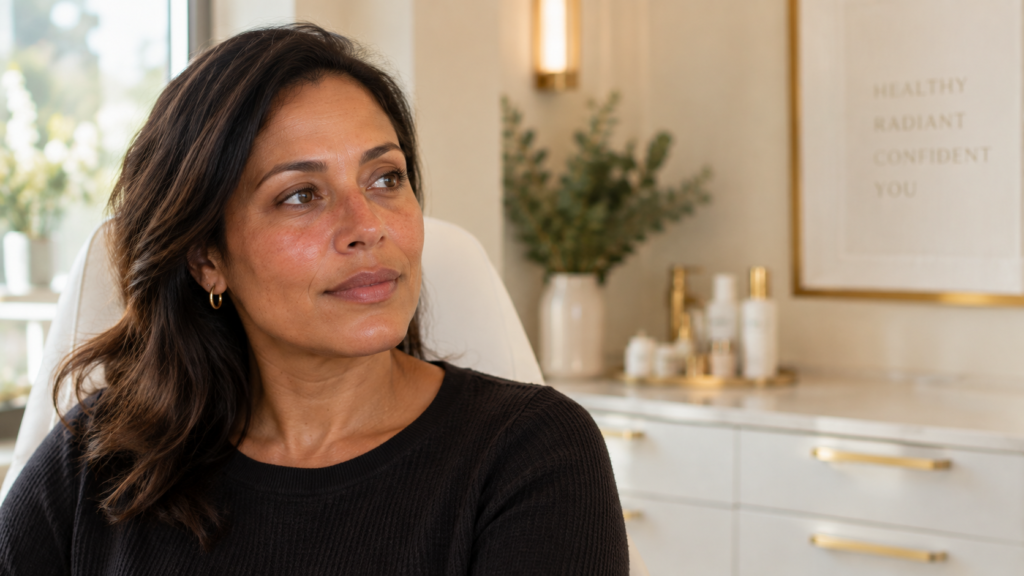
Rosacea on Darker Skin Tones

Rosacea has long been described as a condition of fair skin, and that assumption has consequences. A recent review notes that rosacea remains underdiagnosed in people with skin of colour, partly because redness and visible vessels can be subtle or misread on darker skin tones. The NHS also acknowledges that redness may be harder to see on brown or black skin.

On deeper skin, rosacea may present less as obvious pinkness and more as warmth, a dusky or violet undertone, persistent stinging, dryness, or bumps without blackheads. Post-inflammatory darkening after flare-ups can mask the redness further.

This matters for treatment as well as diagnosis. Light-based therapies need to be selected and set carefully on darker skin, because they carry a greater risk of unwanted pigment changes in more melanin-rich skin. This is one of the reasons we assess every skin individually before recommending anything.

Building a Calming Daily Routine for Mild Rosacea

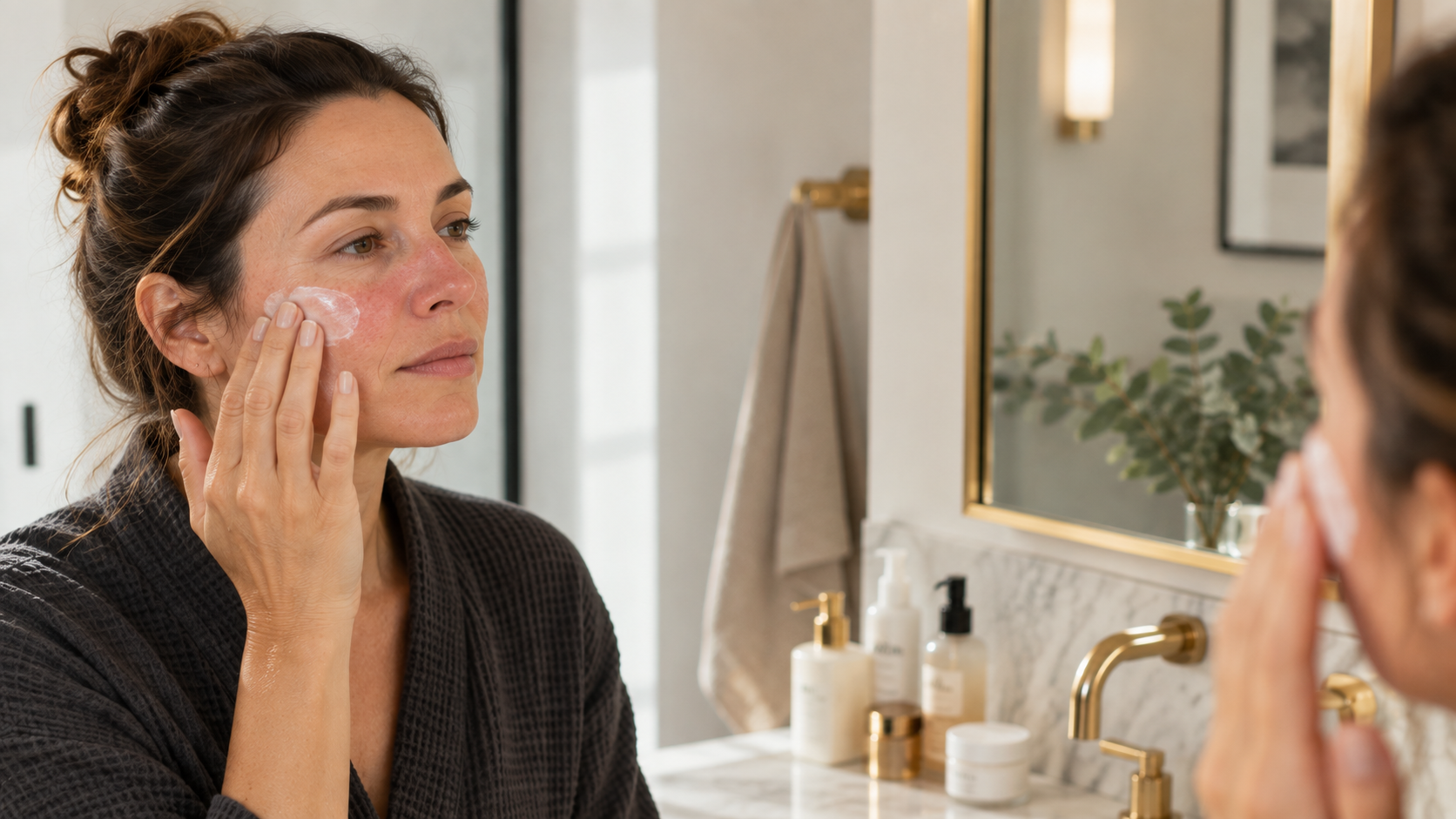
For many people with mild rosacea, a consistent, gentle routine makes a noticeable difference on its own. The principle is simple: protect the skin barrier, avoid unnecessary irritation, and keep sun exposure in check.

Cleanse gently. Use a mild, fragrance-free cleanser with lukewarm water, never hot. Pat the skin dry rather than rubbing it.

Moisturise every day. A plain, fragrance-free moisturiser supports the barrier, and a stronger barrier generally means fewer stinging episodes.

Wear sun protection daily. UV exposure is one of the most common triggers, and the NHS recommends wearing at least SPF 30 every day. Many people with rosacea find mineral-based formulas more comfortable.

Keep it simple. Fewer products means fewer potential irritants. Fragrance, alcohol-heavy toners, menthol, and grainy scrubs are common culprits.

Introduce new products one at a time. Patch test on a small area for a few days first, so that if a reaction occurs, you know exactly what caused it.

Be cautious with strong actives. Retinoids and exfoliating acids can be too much for reactive skin when used without guidance. If you want to include them, it is worth discussing with a prescriber first.

Keep a simple trigger diary. Our rosacea treatment page lists the most common triggers in detail. Noting when flare-ups happen for a few weeks often reveals a personal pattern that is far more useful than any general list.

One Common Mistake: Steroid Creams

Over-the-counter hydrocortisone can seem like a sensible thing to reach for when the face is red and irritated, and it may appear to help at first. For rosacea, it is generally best avoided. UK primary care guidance notes that topical steroids can make rosacea worse and should not be used for it. If you have been using a steroid cream on facial redness, speak to your GP rather than stopping or continuing on your own.

Your GP or a Clinic: Choosing the Right Pathway

These routes are complementary rather than competing, and many people benefit from both.

Start with your GP if you have inflamed bumps and spots, eye symptoms, rapidly worsening redness, or you are not sure the redness is rosacea at all. According to the NHS, treatment from a GP can help control rosacea, and it can get worse if left untreated. GPs can prescribe creams, gels and, where needed, tablets.

Seek urgent medical advice if you have eye pain, sensitivity to light or any change in your vision. The NHS advises that these can be signs of keratitis, which needs prompt treatment.

A clinic can help with the features that prescription treatment often leaves behind, particularly persistent background redness and visible vessels. These are vascular features, and prescription creams generally do less for established vessels than for spots and inflammation.

Where In-Clinic Treatment Fits

Light-based treatment is recognised for the redness and vessel side of rosacea. UK primary care guidance lists intense pulsed light among the options for flushing and persistent redness, and a systematic review found that most published studies reported improvements in redness and visible vessels after IPL, with side effects that were temporary. The same review is candid that the quality of many of those studies was limited, which is a fair reason to set realistic expectations.

At our Bromley clinic, we use the Lumenis Stellar M22 for IPL treatment for rosacea. The light is absorbed by the blood within dilated vessels, which may help reduce redness and the appearance of fine vessels gradually over a course of sessions. It is generally best suited to lighter and medium skin tones, and suitability is always confirmed at consultation. Where individual vessels are more prominent, a targeted approach such as our laser thread vein removal may be more appropriate.

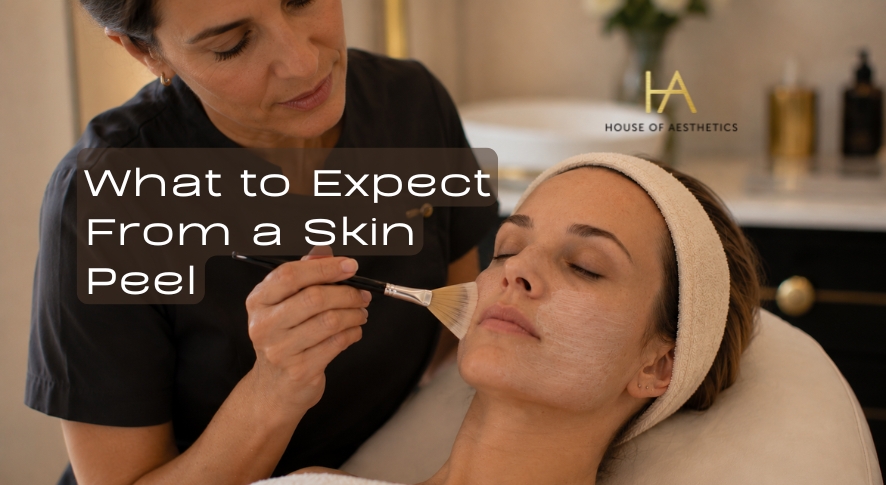
For texture and mild bumps, a carefully chosen gentle peel can sometimes play a supporting role, and our skin peel treatments guide explains the options. Peels are not suitable during an active, inflamed flare.

A few honest points apply to all of these:

  • Treatment manages rosacea rather than curing it, and results vary between individuals.
  • Improvement is usually gradual across a course rather than immediate after one session.
  • Maintenance sessions and a consistent home routine are typically needed to hold results.
  • Sun protection before and after light-based treatment is essential.

Current treatment pricing is available on our price list, and a free consultation is the best way to get a personalised plan and quote.

What Happens at Your Consultation

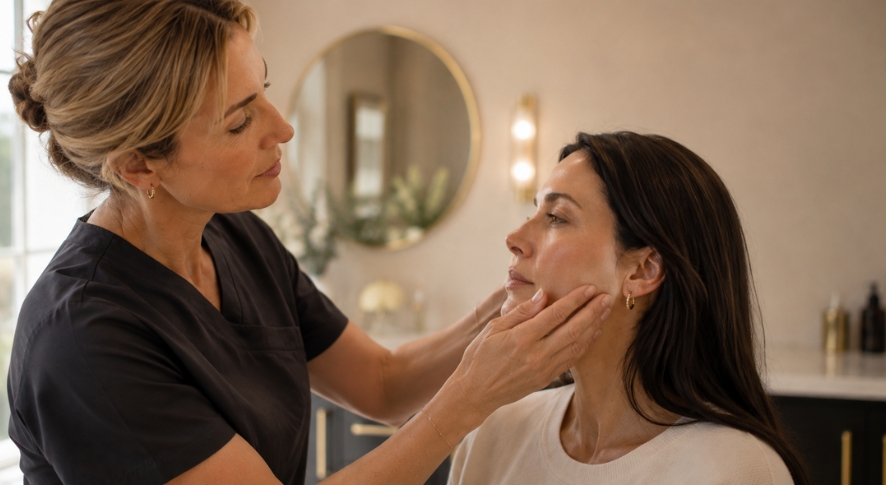
Every new client starts with a free consultation, including an advanced skin analysis that can show redness and vascular activity beneath the surface that is not always obvious to the naked eye.

We will talk through when your redness started, what seems to trigger it, what you have already tried, and whether anything you are currently using might be making it worse. If there is any sign that your redness needs medical assessment first, we will tell you so. You can find out more about Natalie, our Nurse Prescriber, and the rest of the clinical team on our meet the team page.

Frequently Asked Questions

What does mild rosacea look like? Mild rosacea usually shows as frequent flushing and a light, persistent pinkness across the cheeks and nose, sometimes with a warm or stinging sensation. There may be a few fine visible vessels but few or no bumps. On darker skin, it may appear as warmth, dryness or a dusky undertone rather than obvious redness.

Can I use retinol if I have rosacea? Some people with rosacea can tolerate retinoids, but many find them irritating, particularly during a flare. If you want to use one, introduce it slowly on calm skin and ideally discuss it with a prescriber first. Stop if you notice increased burning, stinging or redness.

Does hydrocortisone cream help rosacea? It may seem to calm redness at first, but topical steroids can make rosacea worse, so they are generally best avoided on the face for this condition. If you have been using one, speak to your GP about how to proceed.

Can people with dark skin get rosacea? Yes. Rosacea affects all skin tones but is underdiagnosed in darker skin because redness and visible vessels can be harder to see. Warmth, stinging, dryness, a violet or dusky undertone, and bumps without blackheads can all be signs worth having assessed.

Is IPL suitable for everyone with rosacea? Not always. IPL is generally best suited to lighter and medium skin tones and to the redness and vessel features of rosacea. It is not appropriate during an active flare, after recent sun exposure, or for certain skin types, which is why suitability is assessed at consultation.

Should I see my GP or a clinic first? If you have spots, eye symptoms, worsening redness or you are not sure it is rosacea, start with your GP. A clinic can then help with persistent redness and visible vessels, which prescription treatments often leave behind. Many people benefit from both.

What is the difference between rosacea and perioral dermatitis? Perioral dermatitis typically appears as small bumps clustered around the mouth, nose or eyes, often with a clear band of skin at the lip line, and is sometimes linked to steroid cream use. Rosacea usually centres on the cheeks and nose with flushing and background redness. Because the two are managed differently, a proper assessment is worthwhile.

Book Your Free Consultation

If redness, flushing or visible vessels have been affecting how comfortable you feel in your skin, the most useful first step is understanding exactly what is going on.

Book a free consultation at House of Aesthetics in Bromley and Natalie, our Nurse Prescriber, will assess your skin, talk through your triggers and history, and set out the options that suit your skin type. There is no obligation and no charge for the consultation.

Call us on 020 8290 0099, visit us at 14 Market Square, Bromley BR1 1NA, or book online.

More
articles