• Book Your Appointment
  • Buy Your Treatment Now
  • Offers
  • Price List
  • Team
  • Blog
  • Contact Us
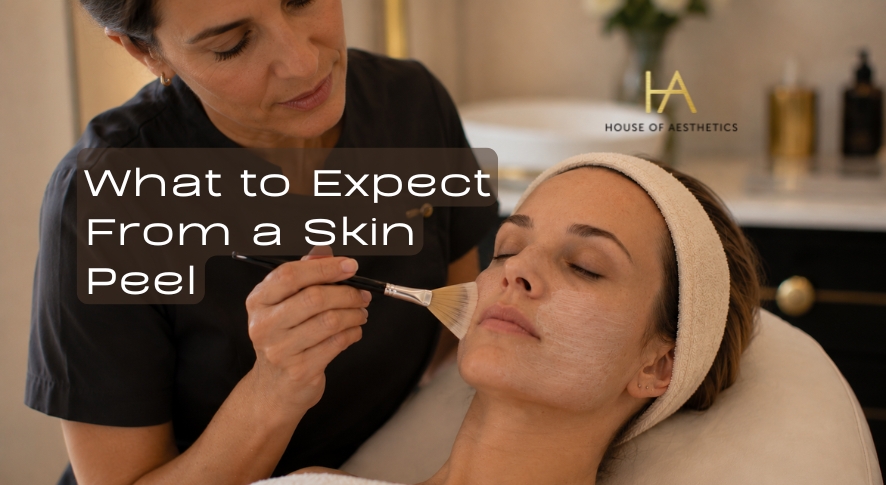
What to Expect From a Skin Peel

Date

What to Expect From a Skin Peel: Before, During and After

Most people who book a skin peel for the first time have the same worry, and it is rarely about whether the treatment works. It is about the peeling. Will your face flake in the middle of a work meeting? Will you need a week off? Will it hurt?

The honest answer is that it depends entirely on which peel you have, and the range at our Bromley clinic is wider than most people realise. Some treatments leave you looking polished within the hour. Others involve a structured programme with visible shedding built into the plan. Knowing which is which before you book makes the whole experience far less daunting.

Here is what actually happens, step by step.

Before Your Peel: The Part That Shapes Your Result

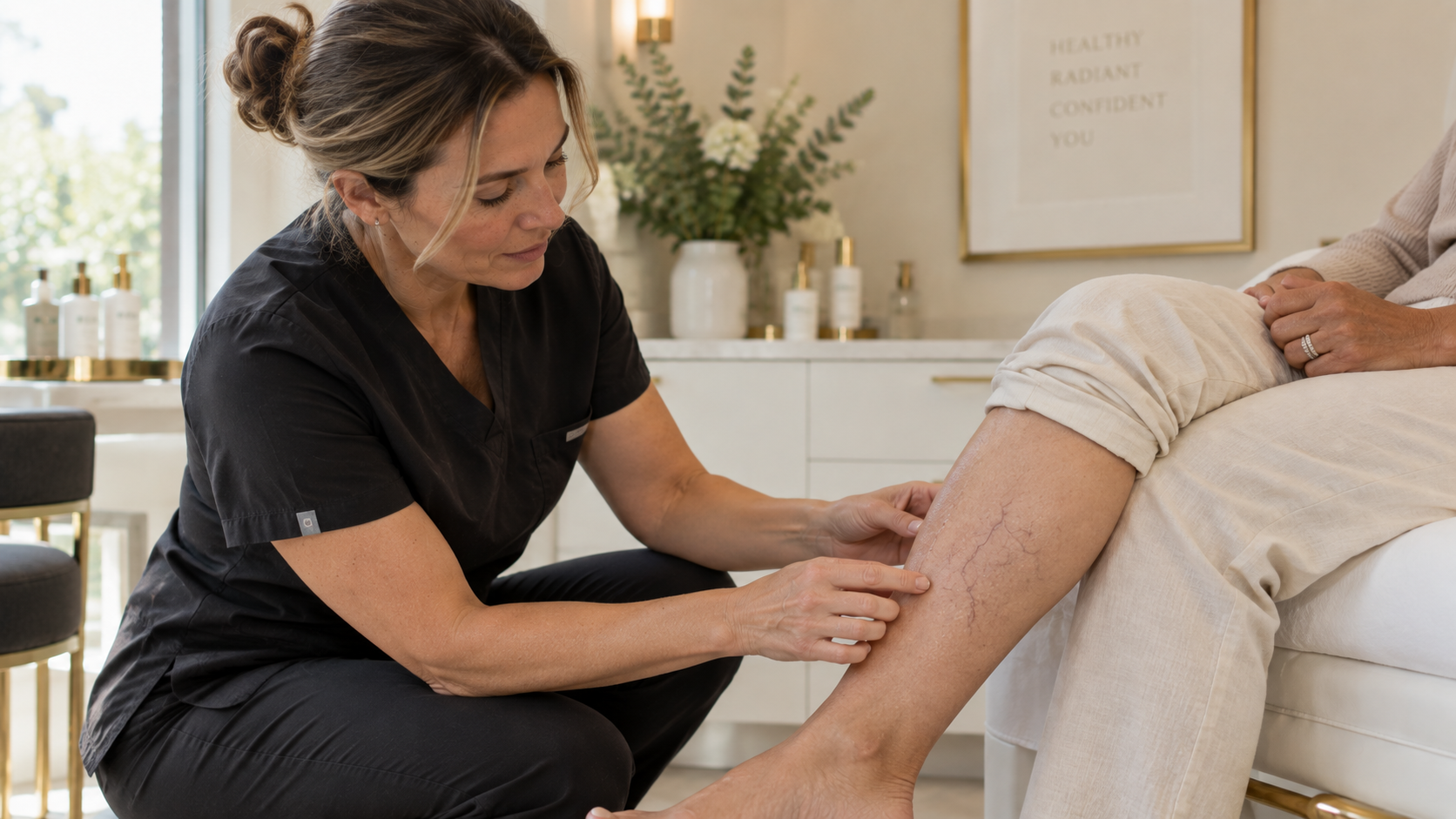
Body skin isn’t simply thicker facial skin. The back carries a high concentration of sebaceous glands, which is why it’s one of the most common sites for congestion and breakouts. Elsewhere on the body, skin laxity, stretch marks and dullness tend to build up gradually, often going unaddressed simply because they’re out of daily sight.

That’s why we offer body-specific versions of three of our most requested treatments, each targeting a different layer or concern.

During the Treatment: What It Feels Like

Your skin is cleansed and degreased first, then the solution is applied in layers while your practitioner watches how your skin responds.

Expect warmth. Most people describe a tingling or mild stinging that builds over the first minute or two, peaks, then settles. A fan is usually on hand. The active application phase is often shorter than the preparation, and appointment times vary by treatment rather than by how uncomfortable they are.

Peels work by causing a controlled, deliberate exfoliation that prompts the skin to regenerate, which is why the sensation is part of the process rather than a sign something is wrong

What Each Treatment Asks of You

This is where the experiences genuinely diverge.

The Tebiskin Peel Range

Four options sit within this range, each suited to a different concern.

Salicylic acid is a beta hydroxy acid that travels into the pore itself, so it tends to suit oilier and congested skin. Mandelic acid has a larger molecular structure and works more slowly, which generally makes it the gentler choice for sensitive or reactive skin. Pyruvic acid offers stronger keratolytic action for texture and dullness. Jessner is a medium-depth formulation combining several exfoliating agents, aimed at more established concerns such as blemishes and uneven tone.

Downtime across the range runs from essentially none to a few days of light flaking, with the medium-depth options at the higher end. Sensitivity for a day or two is common.

Fire & Ice Facial

Two masques, one warming and one cooling. The first resurfaces using glycolic acid and retinol, the second calms and rehydrates.

This is the option people choose before a wedding or an event, because visible downtime is minimal and skin tends to look immediately refreshed. It is also suitable during pregnancy and breastfeeding, which rules very few treatments in. More on the Fire & Ice Facial.

Green Peel

A herbal treatment rather than an acid-based one, and the only option here that comes as a structured five-day programme. Day one is in clinic, three days follow at home with prescribed products, and you return for a finishing treatment.

Shedding usually begins around day three or four. It is visible, and it is meant to be. Plan this one around a quiet stretch in your calendar rather than a busy week. Read the full Green Peel guide.

Cosmelan

A medical-grade depigmentation protocol for melasma, sun damage and stubborn hyperpigmentation. The in-clinic mask is followed by a prescribed home maintenance routine that continues for months.


Commitment to the aftercare is not optional with this one. Results vary between individuals, and the home phase does much of the work. Learn more about Cosmelan.

The Days Afterwards

A rough guide, though your practitioner will give you a timeline specific to your treatment.

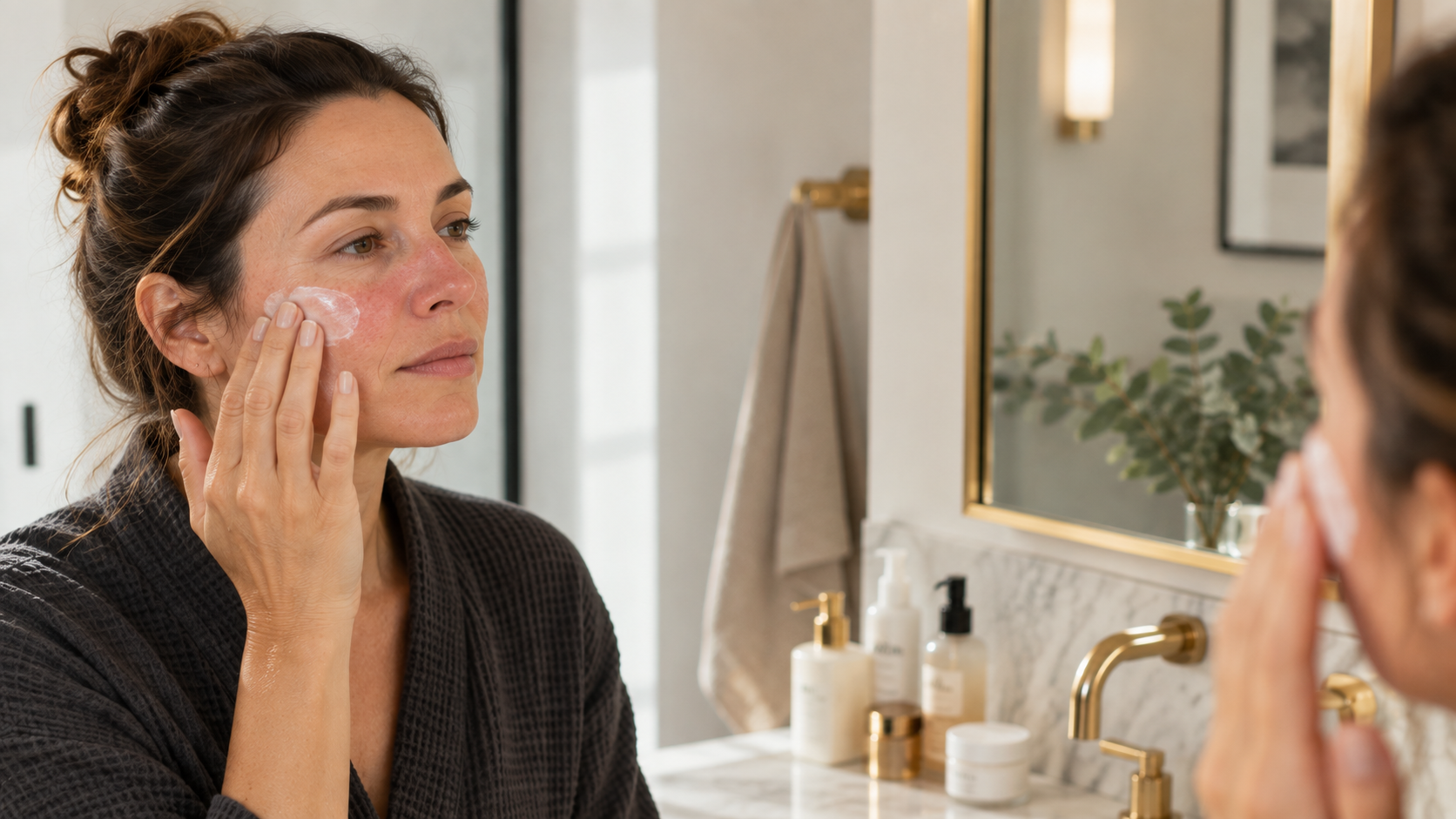
First 24 hours. Redness similar to mild windburn. Skin may feel tight. Leave it alone.

Days two to four. Tightness increases, and flaking may begin. Peeling can be light and dusty or come away in sheets depending on depth. Picking at it risks marking the skin, so let it lift on its own.

Days five to seven. Most shedding has finished. New skin underneath is fresh and needs protecting.

Beyond a week. Texture and tone continue settling. With courses of superficial peels, improvements tend to build across sessions rather than arriving all at once.

Aftercare Worth Taking Seriously

Sun protection is not a suggestion here. Newly resurfaced skin is more vulnerable to UV, and inadequate protection is one of the more common reasons a good result is undermined. The British Association of Dermatologists recommends a minimum of SPF 30 with high UVA protection, applied generously and reapplied at least every two hours during exposure (BAD Sun Protection Fact Sheet).

Alongside that:

  • Bland, non-active moisturiser for the first few days
  • No retinoids, scrubs or acids until your practitioner confirms it is safe
  • Skip the gym, sauna and steam room while your skin settles
  • Avoid makeup on day one where possible
  • Let flaking skin come away naturally

Your practitioner may recommend a supporting home regime, and medical-grade skincare such as ZO Skin Health is often used to maintain results between appointments.

How Many Sessions Will You Need?

Superficial peels are usually recommended as a course, spaced a few weeks apart, because gradual resurfacing tends to suit UK skin and UK schedules better than one aggressive session. Medium-depth treatments and structured programmes like Green Peel and Cosmelan work differently, with fewer appointments and a longer recovery arc.

Anyone still deciding between options may find our full skin peel treatments guide useful, and current pricing is listed here.

Frequently Asked Questions

Does a skin peel hurt? Most people report warmth and tingling rather than pain. The sensation typically builds during application and eases shortly afterwards. Medium-depth options feel stronger than superficial ones, and your practitioner will monitor your comfort throughout.

Will everyone be able to tell I have had a peel? Not necessarily. Treatments such as the Fire & Ice Facial are chosen specifically because visible downtime is minimal. Green Peel, by contrast, involves noticeable shedding as part of its programme, so it suits a quieter week.

Can I have a peel if my skin is sensitive? Often, yes. Mandelic acid is frequently selected for reactive skin because its larger molecular size slows penetration and reduces irritation. Suitability is confirmed at consultation.

How soon can I wear makeup? Usually after the first 24 hours, though this varies by treatment. Your practitioner will confirm based on how your skin responds.

Are peels suitable for darker skin tones? Some are, with careful selection. Deeper peels carry a higher risk of post-inflammatory hyperpigmentation in richly pigmented skin, so gentler formulations and a thorough assessment are important. This is discussed in detail during your consultation.

Can I have a peel while pregnant? The Fire & Ice Facial is suitable during pregnancy and breastfeeding. Most other options are not recommended. Always tell your practitioner if you are pregnant, trying to conceive or breastfeeding.

What if my skin peels more than expected? Contact the clinic. Some shedding is intended, but your practitioner would rather hear from you than have you guess.

Book Your Free Consultation

Still unsure which peel fits your skin and your schedule? Our complimentary consultation includes advanced skin analysis and a personalised plan, with no obligation to book treatment.

Call 020 8290 0099, visit us at 14 Market Square, Bromley BR1 1NA, or book your free consultation online.

More
articles