• Book Your Appointment
  • Buy Your Treatment Now
  • Offers
  • Price List
  • Team
  • Blog
  • Contact Us
Exosome Scalp Treatment for Hair Loss: How It Works, What to Expect and What the Evidence Says

Date

Exosome Scalp Treatment for Hair Loss: How It Works, What to Expect and What the Evidence Says

If you have been researching non-surgical options for thinning hair, you have probably come across the term “exosomes.” It is generating significant interest across the hair restoration field, and for good reason: the science behind exosome therapy suggests it may address hair loss at a cellular level that other treatments cannot reach. But it is also a relatively new area of clinical application, which means separating credible evidence from marketing noise requires some care.

In this guide, we explain what exosomes actually are, how they work in the context of scalp and hair health, what the published research shows so far, and what to realistically expect if you are considering this treatment.

What Are Exosomes?

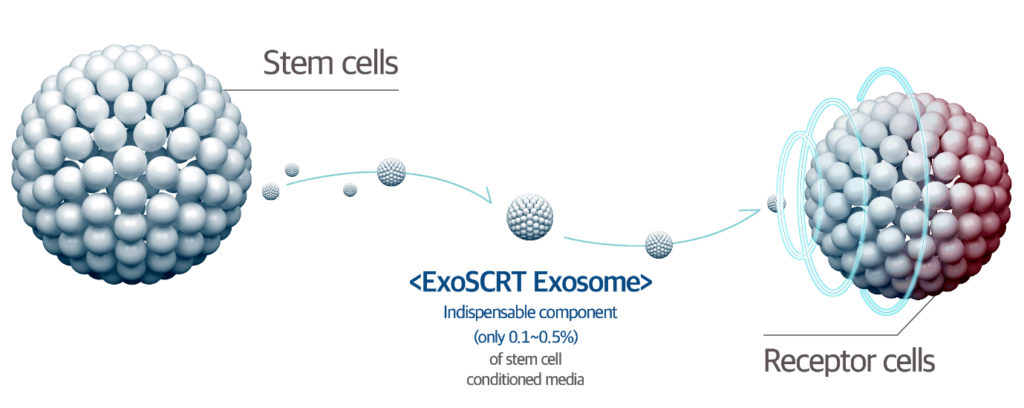
Exosomes are tiny extracellular vesicles, typically between 50 and 200 nanometres in diameter, that are naturally produced by cells throughout the body. To put that size in perspective, a single exosome is roughly 1,000 times smaller than the width of a human hair.

Their biological role is communication. Exosomes act as intercellular messengers, transporting proteins, lipids, messenger RNA (mRNA) and microRNA (miRNA) between cells. This molecular cargo carries instructions that regulate a wide range of biological processes, from immune responses and inflammation to tissue repair and cell growth.

In the context of hair loss, the relevant function is this: exosomes can deliver regenerative signals directly to the cells responsible for hair growth, specifically the dermal papilla cells at the base of each hair follicle and the stem cells within the follicle itself. These signals can help reactivate biological processes that have slowed down or stopped, which is exactly what happens when follicles miniaturise and hair begins to thin.

How Exosome Therapy Works for Hair Loss

Most forms of hair loss, whether androgenetic alopecia (pattern hair loss) or telogen effluvium (stress or illness-related shedding), involve a common set of biological problems: follicle miniaturisation, disrupted signalling between cells, chronic low-grade scalp inflammation, and a progressively shorter growth (anagen) phase. Over time, affected follicles spend more time resting and less time growing, producing thinner, weaker hairs until visible thinning becomes apparent.

Exosome therapy aims to intervene in this process by delivering a concentrated payload of regenerative signals directly to the scalp. The treatment typically involves applying or microneedling an exosome solution into the affected areas, where the vesicles can interact with the follicle cells and their surrounding environment.

The proposed mechanisms of action include:

Follicle reactivation. The growth factors and signalling proteins carried by exosomes interact with dermal papilla cells, encouraging dormant follicles to re-enter the active growth (anagen) phase. Preclinical studies have demonstrated that mesenchymal stem cell-derived exosomes can stimulate dermal papilla cell proliferation and activate the Wnt/beta-catenin signalling pathway, which plays a central role in the hair growth cycle. (Source: Stem Cell Reviews and Reports, 2024 systematic review)

Anti-inflammatory action. Chronic perifollicular inflammation is a contributing factor in many types of hair loss. The miRNA cargo within exosomes includes molecules with targeted anti-inflammatory properties, which help create a scalp environment where follicles can function and cycle more effectively.

Improved blood supply. Exosomes promote neovascularisation (the formation of new blood vessels) around the follicle. Better blood supply means improved delivery of oxygen and nutrients to the dermal papilla, supporting the metabolic demands of actively growing hair.

Extended growth phase. By improving the signalling environment around the follicle, exosome therapy may help extend the anagen phase and shorten the telogen (resting) phase, resulting in longer, thicker hair growth before the follicle cycles back to rest.

What Does the Clinical Evidence Say?

It is important to be straightforward about where the science currently stands. Exosome therapy for hair loss is a rapidly developing field, but it is still in its early stages compared to treatments like minoxidil or finasteride, which have decades of large-scale clinical trial data behind them.

That said, the evidence published so far is promising.

A 2025 systematic review published in Dermatology and Therapy (Queen and Avram) examined the available clinical literature on exosome treatments for hair loss. Across the studies reviewed, 125 patients had received exosome treatment, with the majority showing measurable improvements in hair density. Side effects were rare. However, the authors emphasised the need for larger, well-designed clinical trials with extended follow-up periods before firm conclusions about long-term efficacy and safety can be drawn. (Source: PubMed)

A 2025 systematic review in Clinical, Cosmetic and Investigational Dermatology (Al Ameer et al.) analysed 11 clinical studies, including two randomised controlled trials, three retrospective studies and three prospective single-arm studies. The review found that exosome-based interventions demonstrated positive effects on hair regrowth across multiple study designs and exosome sources, though the authors noted significant heterogeneity between studies and called for standardised manufacturing and larger trials. (Source: Dove Medical Press / PubMed)

A separate 2024 prospective study (Ersan et al.) examined the outcomes of mesenchymal stem cell-derived exosome injections in 30 male patients with androgenetic alopecia. The results showed a statistically significant increase in hair density at both 4 and 12 weeks post-treatment, with no reported adverse effects. (Source: Aesthetic Plastic Surgery)

In terms of product-specific evidence, Dr. Inigo de Felipe, a dermatologist with practices in Barcelona and London, completed a two-year clinical study using ASCE+ HRLV (the exosome product used at House of Aesthetics). He reported that it produced improvements that were greater than those achieved with oral dutasteride, topical minoxidil or PRP alone, with particularly notable results in the frontal area of the scalp, an area where many hair loss treatments struggle. (Source: ExoCoBio / PR Newswire)

A balanced perspective

While these results are encouraging, a few caveats are worth noting. Most published studies have small sample sizes. Long-term data beyond 12 months is limited. There is no universally standardised exosome product or protocol, which means results can vary between clinics depending on the product used and the delivery method. And exosome therapy does not address the underlying cause of hair loss (such as hormonal factors in androgenetic alopecia), which means ongoing maintenance is typically needed to sustain results.

None of this makes exosome therapy ineffective; it simply means the evidence base is still maturing. For patients who want to make an informed decision, understanding both the promise and the current limitations is essential.

Exosome Scalp Treatment for Hair Loss: How It Works, What to Expect and What the Evidence Says

How ASCE+ HRLV Exosomes Work

Not all exosome products are the same. The specific product matters because exosome concentration, source material, purity and the supporting ingredients all influence clinical outcomes.

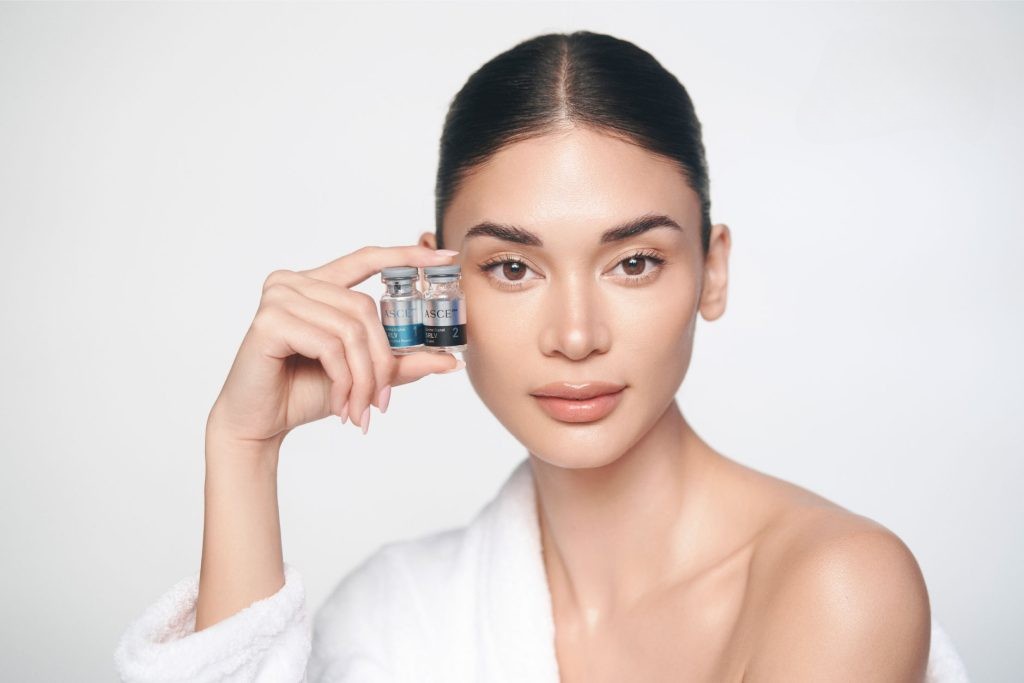
At House of Aesthetics, we use ASCE+ HRLV by ExoCoBio, a South Korean biotech company and recognised leader in exosome research. The product is manufactured using ExoCoBio’s proprietary ExoSCRT isolation and purification technology, which extracts exosomes from Rosa Damascena (rose) callus cultures rather than from human tissue.

Each vial of ASCE+ HRLV delivers:

  • 10 billion purified exosomes
  • 1,008 types of proteins and growth factors that support the hair growth cycle
  • 598 types of miRNAs with anti-inflammatory properties
  • Biotin and supporting micronutrients for scalp and hair shaft health

The plant-derived origin is a relevant distinction. Unlike human-derived exosome products (which face significant regulatory restrictions in the UK), plant-derived exosome formulations like ASCE+ HRLV occupy a different regulatory category. The cell-free nature of the product means no live cells are introduced to the body, offering a more controllable and reproducible treatment profile.

To learn more about how we deliver this treatment, including session details, timelines and suitability, visit our exosome scalp treatment page.

Who Is Exosome Scalp Treatment Best Suited For?

Exosome therapy tends to produce the best outcomes when there are still active or dormant follicles to support. The earlier thinning is addressed, the more responsive the follicles tend to be.

You may be a good candidate if:

  • You are experiencing pattern hair loss (androgenetic alopecia) in the early to moderate stages
  • Your hair is thinning gradually and you want to intervene before it progresses further
  • You have noticed increased shedding related to stress, hormonal changes, post-pregnancy or post-illness recovery
  • You are looking for a non-surgical option and want to avoid or supplement medication-based approaches
  • You have had PRP treatment before and want to explore a potentially more concentrated alternative
  • You want to combine treatments for a stronger overall result (exosomes pair well with PRP, mesotherapy and LED therapy)

Exosome scalp treatment may not be suitable if:

  • You have complete follicle loss in the affected area (exosomes support existing follicles but cannot create new ones)
  • You have an active scalp infection or inflammatory skin condition
  • You are pregnant or breastfeeding
  • You are on certain immunosuppressive medications
  • You have a history of keloid scarring on the scalp

A thorough consultation is essential before starting treatment. At House of Aesthetics, we assess your scalp, discuss your hair history and set realistic expectations before recommending whether exosome therapy is the right approach for your situation.

Exosome Scalp Treatment

Exosomes vs PRP: How Do They Compare?

PRP (platelet-rich plasma) therapy has been the most widely used non-surgical regenerative hair treatment for several years. If you have had PRP before, or are considering it, understanding how exosomes compare is useful.

FactorExosome Therapy (ASCE+ HRLV)PRP
SourcePlant-derived exosomes (Rosa Damascena callus)Your own blood (autologous)
Active components10 billion exosomes, 1,008 growth factors, 598 miRNAsConcentrated platelets and growth factors from your plasma
ConsistencyStandardised product; same concentration every sessionVaries by individual (depends on your blood composition on the day)
Anti-inflammatory action598 types of miRNA with targeted anti-inflammatory propertiesLimited anti-inflammatory signalling
Delivery methodApplied topically via microneedling or injected into the scalpInjected into the scalp after blood draw and centrifugation
DowntimeMinimal; avoid washing hair for 24 hoursMinimal; similar post-treatment care
Evidence baseGrowing but still early-stage (systematic reviews from 2024/2025)More established (multiple RCTs over 10+ years)
Can they be combined?Yes, exosomes can be mixed with PRP before deliveryYes, combining both may produce a stronger result

One of the most interesting developments in regenerative hair treatment is the option to combine exosomes and PRP in a single session. The exosome solution can be mixed directly with the PRP preparation before it is delivered to the scalp, combining the standardised regenerative cargo of the exosomes with the autologous growth factors from your own blood.

At House of Aesthetics, we offer both PRP and exosome therapy as standalone treatments and in combination. Your practitioner will recommend the best approach based on your specific type and stage of hair loss.

What to Expect: The Treatment Timeline

Exosome therapy works with your hair’s natural growth cycle, so results develop gradually. A single session is not typically enough; most patients start with a course of three sessions spaced four weeks apart.

TimeframeWhat to Expect
Weeks 1 to 4Little visible change. The follicles are beginning to respond and the scalp environment is shifting at a cellular level.
Weeks 4 to 8Shedding often begins to reduce. Some patients notice fine new hairs appearing, particularly at the hairline or parting.
Months 3 to 4Improvements in density and texture become more visible. Hair may feel stronger and look fuller in previously thinning areas.
Months 6 to 12Results continue to develop as collagen and follicle health improve. Maintenance sessions are recommended to sustain progress.

After the initial course, most patients move to maintenance sessions every three to six months, depending on the severity of thinning and how their scalp responds. Your practitioner will advise on the ideal schedule during your follow-up appointments.

Combining Exosomes with Other Hair Loss Treatments

One of the strengths of exosome therapy is that it can be integrated into a broader hair restoration plan. It is not an either/or choice; it works alongside other treatments to build a more comprehensive approach.

Exosomes + PRP. The two treatments can be delivered together in a single session for a combined regenerative effect. This is the most popular combination at our clinic.

Exosomes + mesotherapy. Mesotherapy delivers a cocktail of vitamins, minerals and amino acids directly to the scalp. When paired with exosome therapy, it provides the nutritional building blocks that follicles need to respond to the regenerative signals.

Exosomes + LED scalp therapy. Low-level light therapy stimulates cellular metabolism and blood flow in the scalp. It is a gentle, non-invasive complement that can enhance the environment for exosome activity.

Exosomes + topical treatments. If you are already using minoxidil or other topical products, these do not need to be stopped. Exosome therapy works through different mechanisms and can be used alongside your existing routine.

Exosomes + IV drips. Our Hair Nourishment IV Drip delivers vitamins, minerals and amino acids intravenously, supporting hair health systemically while the exosome treatment works locally on the scalp.

For a full overview of combination options and how they fit together, visit our exosome scalp treatment page or book a free consultation to discuss a personalised plan.

Frequently Asked Questions

How is exosome therapy different from PRP?

PRP uses growth factors concentrated from your own blood. Exosome therapy delivers a standardised solution containing billions of exosomes, over 1,000 growth factors and nearly 600 types of anti-inflammatory miRNA. The key practical difference is consistency: PRP varies from session to session depending on your blood composition, while the exosome product delivers the same concentration every time. Both treatments can also be combined in a single session for a potentially stronger result.

How many exosome sessions do I need?

Most patients start with three sessions spaced four weeks apart. Depending on the extent of thinning and how your scalp responds, additional sessions may be recommended. After the initial course, maintenance sessions every three to six months help sustain the improvements.

Does exosome scalp treatment hurt?

A topical numbing cream is applied before treatment, so most patients find it very manageable. Some describe a mild stinging or pressure sensation during the procedure. Any tenderness afterwards typically settles within 24 to 48 hours.

When will I see results?

Most patients notice a reduction in shedding within the first four to eight weeks. Visible improvements in density and thickness typically become apparent at around three to four months, with results continuing to develop up to 12 months after treatment.

Is exosome therapy a permanent cure for hair loss?

No. Exosome therapy supports and reactivates existing follicles, but it does not change the underlying cause of hair loss (such as genetic or hormonal factors). Ongoing maintenance sessions are needed to sustain results, and your practitioner may also recommend addressing contributing factors like nutrition, stress or hormonal imbalance as part of a broader plan.

Can exosome treatment work for female hair loss?

Yes. Exosome therapy is suitable for both men and women. Dr. Inigo de Felipe, who conducted a clinical study using ASCE+ HRLV, noted that results were equally effective, and sometimes even more effective, for women. Female pattern hair loss and post-partum shedding are both conditions where exosome therapy may be beneficial.

Are there any side effects?

The most common reactions are localised redness, mild swelling and tenderness at the treatment sites, all of which typically resolve within a couple of days. Serious adverse events are rare in the published literature. Your practitioner will discuss your individual risk profile during your consultation.

Can I combine exosome therapy with a hair transplant?

Exosome therapy can be used both before and after a hair transplant. Before surgery, it can help improve the health of existing follicles and the scalp environment. After surgery, it may support graft survival and recovery. If you are considering a hair transplant, we offer consultations and referrals to UK-based surgical partners alongside our non-surgical treatment menu.


Book Your Free Scalp Consultation in Bromley

Thinning hair is easier to address when it is caught early. If you are noticing changes and want to understand your options, a conversation with our team is the best place to start.

During your free consultation at House of Aesthetics, we will assess your scalp, discuss your hair loss history, and recommend whether exosome therapy, PRP, a combination approach or a different treatment entirely is the right fit for your situation. Every consultation is thorough, honest and completely obligation-free.

Book your free consultation! 

Call us: 020 8290 0099

Visit us: 14 Market Square, Bromley, South East London, BR1 1NA

We also offer flexible payment options through Klarna, Clearpay and Omni Capital.


Sources

  1. Queen D, Avram MR. (2025) Exosomes for Treating Hair Loss: A Review of Clinical Studies. Dermatologic Surgery, 51(4):409-415. https://pubmed.ncbi.nlm.nih.gov/39447204/
  2. Al Ameer MA, et al. (2025) Exosomes and Hair Regeneration: A Systematic Review of Clinical Evidence Across Alopecia Types and Exosome Sources. Clinical, Cosmetic and Investigational Dermatology, 18:2215-2227. https://pubmed.ncbi.nlm.nih.gov/40955427/
  3. Ersan M, et al. (2024) Effectiveness of Exosome Treatment in Androgenetic Alopecia: Outcomes of a Prospective Study. Aesthetic Plastic Surgery, 48:4262-4271. https://link.springer.com/article/10.1007/s00266-024-04332-3
  4. ExoCoBio Inc. (2022) ExoCoBio Launches ASCE+ HRLV for Scalp Rejuvenation and Hair Loss. PR Newswire. https://www.prnewswire.com/news-releases/exocobio-launches-asce-hrlv-for-scalp-rejuvenation-and-hair-loss-301523597.html
  5. Keaney TC, et al. (2022) Efficacy and Tolerability of HydraFacial Clarifying Treatment Series in the Treatment of Active Acne Vulgaris. Journal of Clinical and Aesthetic Dermatology, 15(12):32-37. https://pmc.ncbi.nlm.nih.gov/articles/PMC9762628/

Medical Disclaimer: This article is for informational and educational purposes only and does not constitute medical advice. Exosome therapy is a developing field of regenerative medicine; the clinical evidence base is growing but long-term data from large-scale randomised controlled trials is still limited. Individual results vary depending on the type and stage of hair loss, overall health, and treatment compliance. Exosome scalp treatment is not a cure for hair loss and does not replace medical advice from a dermatologist or trichologist. If you are experiencing sudden or severe hair loss, please consult your GP to rule out underlying medical causes. At House of Aesthetics, we use ASCE+ HRLV by ExoCoBio, a plant-derived exosome product. All treatments are preceded by a thorough consultation to assess suitability.

More
articles