• Book Your Appointment
  • Buy Your Treatment Now
  • Offers
  • Price List
  • Team
  • Blog
  • Contact Us

Date

HydraFacial vs Green Peel vs Chemical Peel: Which Facial Treatment Is Right for You?

Choosing a professional facial treatment can feel overwhelming when every option sounds like it will transform your skin. HydraFacial, Green Peel and chemical peels are three of the most popular clinical treatments available in the UK, but they work in fundamentally different ways and suit different skin concerns, lifestyles and budgets.

This guide compares all three treatments side by side, covering how each one works, what skin concerns it addresses best, how much downtime to expect, and what kind of results you can realistically achieve. By the end, you should have a much clearer idea of which treatment is worth booking for your specific situation.

A Quick Overview: How Do These Three Treatments Compare?

Before we go into detail on each treatment, here is a summary of the key differences at a glance.

 HydraFacialGreen PeelChemical Peel
How it worksVortex-suction technology cleanses, extracts and infuses hydrating serumsNatural herbs massaged into the skin to stimulate cell renewalAcid solution dissolves outer skin layers to trigger regeneration
Active ingredientsHyaluronic acid, peptides, antioxidants (customisable boosters)Proprietary herbal blend: horsetail, aloe vera, ribwort, lungwort, algaeGlycolic acid, salicylic acid, TCA, lactic acid or phenol
Intensity levelsOne standard protocol (customised via booster serums)Three levels: Fresh Up (gentle), Energy (medium), Classic (intensive)Three depths: superficial, medium, deep
DowntimeNoneNone (Fresh Up) to 3 to 5 days (Classic)None (superficial) to 7 to 14 days (deep)
Best forHydration, maintenance, congestion, pre-event glowTexture, scarring, pigmentation, skin renewalPigmentation, acne, scarring, fine lines, sun damage
Suitable for sensitive skinYesYes (adjustable intensity)Depends on peel type and depth
Safe during pregnancyGenerally yes (consult practitioner)Generally yes (consult practitioner)Most chemical peels are not recommended
How long results last1 to 2 weeks (maintenance treatment)6 to 12 months (Classic)Several weeks to months (varies by depth)
Typical UK cost per session£100 to £250£80 to £350£60 to £600


hydrafacial for men in bromley

HydraFacial: The Maintenance Powerhouse

What is a HydraFacial?

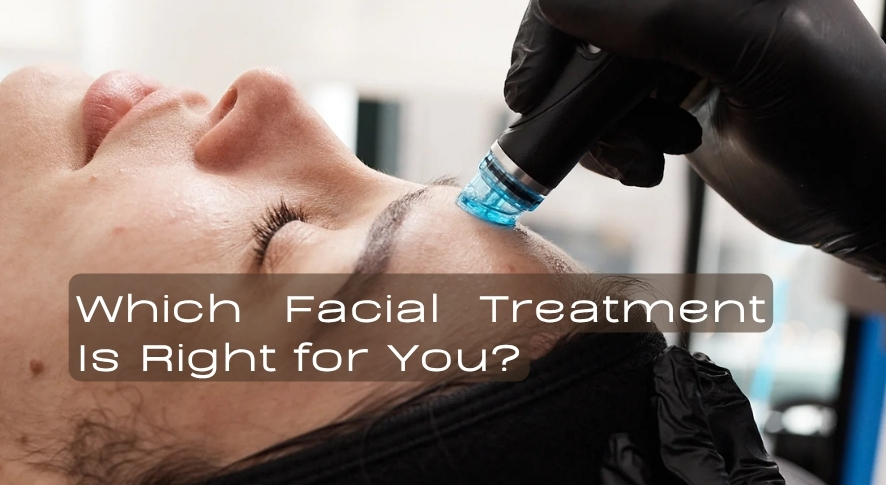
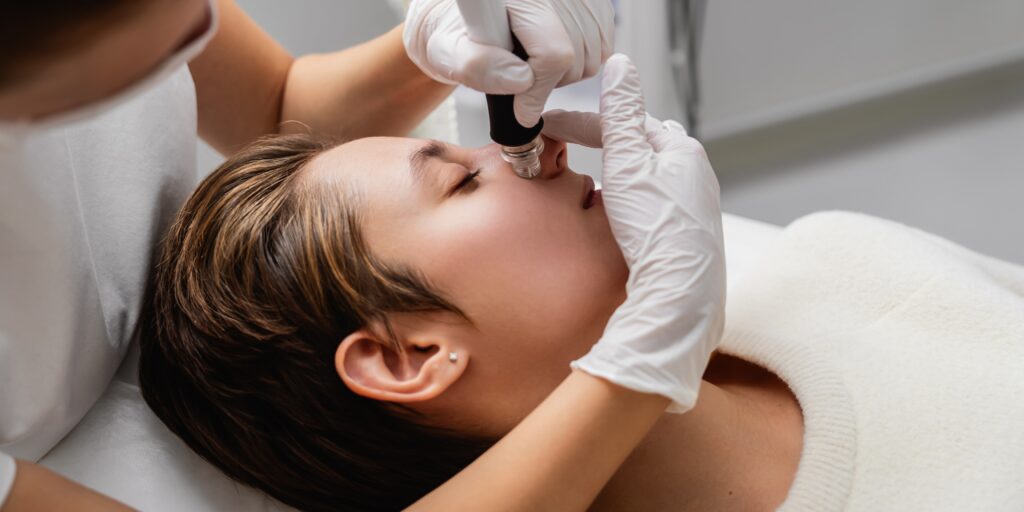
HydraFacial is a patented, device-based facial treatment that combines four steps into a single 30 to 45 minute session: cleansing, exfoliation, painless extraction and deep hydration. The device uses vortex-suction technology to remove impurities from the pores while simultaneously infusing the skin with tailored serums containing hyaluronic acid, peptides and antioxidants.

Unlike peels, HydraFacial does not rely on acids or herbs to exfoliate the skin. Instead, the device itself does the work mechanically, making it one of the gentlest professional facial treatments available.

What does HydraFacial treat best?

HydraFacial excels at general skin health maintenance rather than correcting deep or long-standing concerns. It is particularly effective for:

  • Dehydrated, dull or tired-looking skin
  • Congested pores, blackheads and surface-level breakouts
  • Uneven skin texture and mild roughness
  • Fine lines (prevention and mild improvement)
  • Pre-event radiance (wedding, party, photoshoot)

A clinical study published in the Journal of Clinical and Aesthetic Dermatology found that a series of six HydraFacial treatments over 12 weeks produced a statistically significant reduction in acne severity, with 100% of participants reporting clearer, healthier-looking skin. (Source: JCAD)

What HydraFacial is not designed to do

It is important to be transparent about what HydraFacial cannot achieve. Because the treatment works at a superficial level, it is not the best choice for:

  • Deep acne scarring or pitted scars
  • Significant hyperpigmentation or melasma
  • Deep wrinkles or advanced sun damage
  • Structural skin renewal (it refreshes and maintains rather than resurfaces)

If your primary concern falls into one of these categories, a Green Peel Classic or a medium-depth chemical peel will likely produce more meaningful results.

Downtime and aftercare

This is HydraFacial’s biggest advantage. There is zero downtime. Your skin may look slightly flushed for an hour or two after the session, but you can apply makeup, go back to work or attend a social event the same day. No peeling, no redness, no recovery period.

How often should you have a HydraFacial?

Most practitioners recommend monthly sessions for ongoing maintenance. Think of HydraFacial as a deep clean for your skin rather than a one-off corrective treatment. The results from a single session typically last 1 to 2 weeks before the skin gradually returns to its baseline state.

Green Peel Bromley

Green Peel: The Natural Resurfacing Treatment

What is Green Peel?

Green Peel is a medically developed herbal peeling treatment created by German dermatologist Dr. med. Christine Schrammek-Drusio. Unlike chemical peels, it uses a proprietary blend of natural herbs, algae, vitamins, minerals and enzymes, with no synthetic acids, chemicals or abrasive particles.

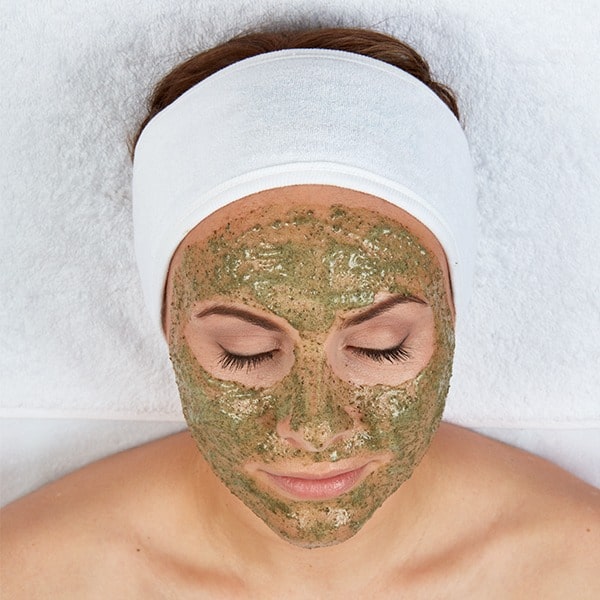
The herbal mixture is massaged into the skin using a specific technique, which removes the upper layers of the epidermis, increases blood circulation and stimulates the skin’s natural regeneration process. In its most intensive form (Green Peel Classic), this accelerates the skin’s normal 28-day cell turnover cycle down to approximately 5 days.

Green Peel can only be performed by practitioners who hold a current Dr. Schrammek certification, which ensures consistent treatment quality and safety.

For a full breakdown of the treatment process, types and aftercare, read our guide: What Is a Green Peel?

What does Green Peel treat best?

Green Peel’s strength lies in its ability to produce genuine skin renewal using entirely natural ingredients. It is particularly effective for:

  • Acne and blemish-prone skin (the herbal blend has antibacterial properties)
  • Acne scarring and post-inflammatory marks
  • Hyperpigmentation, sunspots and uneven tone
  • Large pores and congested skin
  • Fine lines and early signs of ageing
  • Dull, lifeless complexion needing a reset

The Classic version produces the most dramatic results because it triggers a full resurfacing cycle. The Energy and Fresh Up versions offer progressively gentler options for patients who want improvement without the peeling phase.

Green Peel vs HydraFacial: the key difference

The simplest way to understand the distinction is this: HydraFacial cleans and hydrates the skin you have. Green Peel replaces the outer layers of skin with new ones. They solve different problems. If your skin is fundamentally healthy but needs refreshing, HydraFacial is ideal. If your skin needs structural renewal (scarring, pigmentation, texture damage), Green Peel goes deeper.

Downtime and aftercare

This varies by type. Fresh Up has no downtime at all. Energy may cause light flaking for 1 to 2 days. Classic involves 3 to 5 days of visible peeling, during which you will need to avoid makeup, active skincare, sun exposure and strenuous exercise. A mandatory Beauty Finish appointment on day 5 completes the process. Full aftercare details are covered in our Green Peel guide.

How often should you have a Green Peel?

Classic treatments are typically spaced 6 to 8 weeks apart, with most patients needing 1 to 3 sessions for their target concern. Energy treatments can be repeated every 4 to 6 weeks. Fresh Up can be done as often as you like for an instant glow.

green peel acne scarring dull skin resurfacing treatment in Bromley

Chemical Peels: The Targeted Corrector

What is a chemical peel?

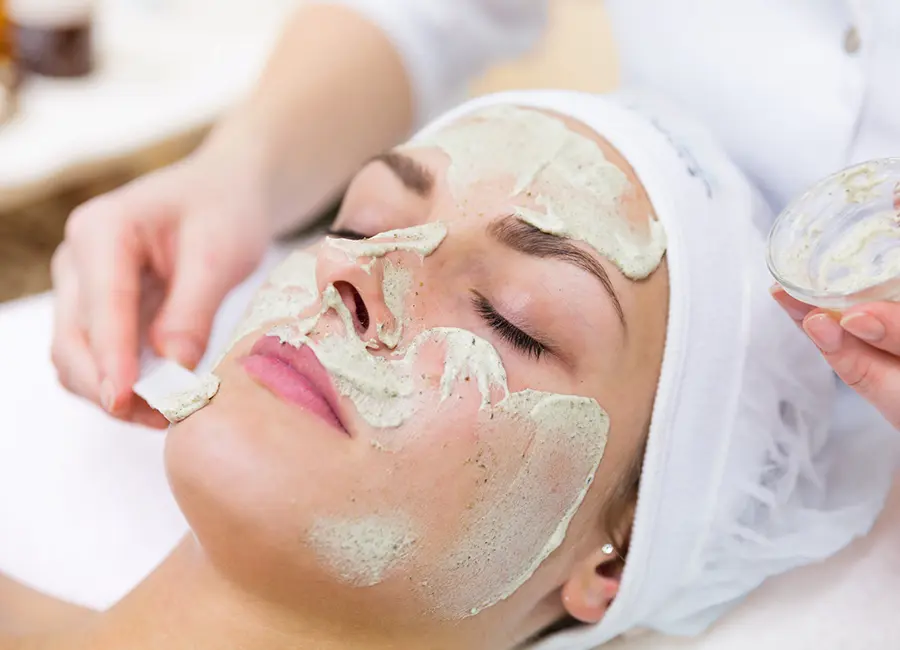
Chemical peels use acid-based solutions to dissolve the bonds between skin cells, causing controlled exfoliation of the outer layers. As the treated skin peels away, the body produces new, healthier skin cells to replace it. The depth of exfoliation depends on the type and concentration of acid used.

Chemical peels are broadly classified into three categories:

Superficial peels use milder acids like glycolic acid, lactic acid or salicylic acid at lower concentrations. They target only the outermost layer of skin (epidermis) and have minimal downtime. These are good for general brightening, mild texture concerns and light congestion.

Medium-depth peels use stronger acids such as TCA (trichloroacetic acid) at higher concentrations. They penetrate into the upper dermis and produce more significant results for pigmentation, acne scarring, fine lines and sun damage. Recovery typically takes 5 to 10 days.

Deep peels use phenol or high-concentration TCA. These are the most aggressive option, reaching into the mid-dermis for dramatic correction of deep wrinkles, extensive sun damage and significant scarring. Recovery can take 2 weeks or longer and carries a higher risk of complications, particularly for darker skin tones.

What do chemical peels treat best?

Chemical peels are the most targeted of the three treatments. They can be precisely tailored to specific skin concerns by adjusting the acid type and depth:

  • Acne and oily skin: Salicylic acid peels penetrate oil-filled pores particularly effectively
  • Hyperpigmentation and melasma: Glycolic acid and TCA peels are among the most evidence-backed treatments for pigmentation
  • Acne scarring: Medium-depth TCA peels can produce 40 to 70% improvement in scar appearance over a course of treatments (Source: Salon Searcher / Clinical data)
  • Fine lines and sun damage: Medium and deep peels stimulate collagen production in the dermis
  • General skin renewal: Superficial peels offer a lighter version of the resurfacing that Green Peel Classic achieves

Chemical peel vs Green Peel: the key difference

Both treatments resurface the skin, but they achieve it through different mechanisms. Chemical peels use acids to dissolve skin cells from the top down. Green Peel uses herbal activity and massage to stimulate regeneration from within. The practical implications: chemical peels offer more precise targeting for specific conditions (an acne-focused salicylic peel, for example), while Green Peel offers a broader, natural renewal without any synthetic ingredients. For patients who prefer a plant-based approach or who are pregnant (when most chemical peels are contraindicated), Green Peel is the safer alternative.

For a detailed comparison of these two treatments specifically, read our guide: Green Peel vs Chemical Peels

Downtime and aftercare

Superficial peels have minimal downtime (possible light flaking for a day or two). Medium peels involve 5 to 10 days of visible peeling and redness. Deep peels require 1 to 2 weeks of recovery with strict sun avoidance and careful aftercare protocols. All peels require diligent SPF use during the recovery period and for several weeks afterwards.

How often should you have a chemical peel?

Superficial peels are typically done as a course of 3 to 6 sessions, spaced 2 to 4 weeks apart. Medium peels may be performed as a single treatment or a short course of 2 to 3, spaced 6 to 8 weeks apart. Deep peels are almost always a one-off procedure.

Which Treatment Should You Choose? A Guide by Skin Concern

Rather than thinking about which treatment is “best” overall (there is no single answer), it is more useful to match the treatment to your specific concern.

Your main concernBest optionWhy
Dull skin, need a quick refreshHydraFacialInstant glow, zero downtime, no recovery
Pre-event glow (wedding, holiday, party)HydraFacial or Green Peel Fresh UpBoth deliver immediate brightness with no peeling
Congested pores and blackheadsHydraFacialVortex-suction extraction is specifically designed for this
Dehydrated, dry skinHydraFacialInfuses hyaluronic acid and hydrating serums directly
Mild acne and breakoutsHydraFacial (maintenance) or chemical peel (corrective)HydraFacial keeps pores clean; salicylic acid peels target active acne
Acne scarringGreen Peel Classic or medium chemical peelBoth reach deep enough to stimulate collagen repair in scar tissue
Hyperpigmentation and dark spotsChemical peel (glycolic or TCA) or Green Peel ClassicAcid peels are the most targeted; Green Peel Classic offers a natural alternative
Fine lines and early ageingGreen Peel Energy or superficial chemical peelBoth stimulate cell turnover without heavy downtime
Sun damageMedium chemical peelTCA peels are specifically effective for cumulative UV damage
Sensitive skinHydraFacial or Green Peel Fresh UpBoth are gentle enough for reactive skin types
PregnancyGreen Peel or HydraFacialMost chemical peels are not recommended during pregnancy
First-time facial patientHydraFacialThe gentlest entry point with zero risk of a bad reaction

Can You Combine These Treatments?

Yes, and many patients do. Rather than choosing just one, a combination approach can address both maintenance and correction. Some effective combinations include:

Monthly HydraFacial + quarterly Green Peel Energy. The HydraFacial keeps your skin clean, hydrated and glowing between the deeper renewal sessions. The Green Peel Energy provides the periodic cell turnover boost that maintains long-term skin quality.

HydraFacial between chemical peel courses. If you are having a course of chemical peels for pigmentation or scarring, scheduling a HydraFacial in between peel sessions keeps the skin hydrated and supported during the correction phase.

Green Peel Classic once or twice a year + HydraFacial monthly. The Classic provides the annual deep reset, while the HydraFacial maintains the results month to month.

Your practitioner can design a treatment schedule that combines these options based on your skin’s needs and your budget. This is something we discuss during every free consultation at our Bromley clinic.

Frequently Asked Questions

Which facial treatment gives the most dramatic results?

For the most visible single-session transformation, Green Peel Classic produces the most dramatic results. It triggers a full skin renewal cycle over 5 days, revealing genuinely new skin. Chemical peels at medium or deep depths can produce similarly significant changes. HydraFacial produces immediate brightness but works at a more superficial level.

Which treatment is best for acne-prone skin?

It depends on whether you are managing active breakouts or treating acne scarring. For active acne, a salicylic acid chemical peel is highly targeted, and HydraFacial is excellent for ongoing pore maintenance. For acne scarring, Green Peel Classic or a TCA chemical peel will produce more meaningful improvement because they work at the dermal level where scar tissue forms.

Can I have a facial treatment if I have sensitive skin?

Yes. HydraFacial and Green Peel Fresh Up are both suitable for sensitive and reactive skin types. If you are considering a chemical peel, a superficial glycolic or lactic acid peel at a lower concentration is the safest starting point. Your practitioner should always perform a skin assessment and, where appropriate, a patch test before any treatment.

How long do results last from each treatment?

HydraFacial results typically last 1 to 2 weeks, which is why it works best as a regular monthly treatment. Green Peel Classic results can last 6 to 12 months with proper skincare maintenance. Chemical peel results vary by depth: superficial peels last a few weeks, while medium and deep peels can produce improvements lasting several months to over a year.

Is it safe to have facial treatments during pregnancy?

HydraFacial and Green Peel are generally considered safe during pregnancy, as they do not use synthetic acids or harsh chemicals. However, you should always discuss this with your practitioner and your midwife or GP. Most chemical peels are not recommended during pregnancy due to the acid content.

Which treatment has the least downtime?

HydraFacial has zero downtime. You can apply makeup and go about your day immediately. Green Peel Fresh Up is equally convenient. Superficial chemical peels may cause light flaking for a day or two. Anything more intensive (Green Peel Classic, medium or deep chemical peels) involves visible peeling and a recovery period of 3 to 14 days.

Not Sure Which Treatment Is Right for You? Book a Free Consultation

The best way to decide between HydraFacial, Green Peel and chemical peels is to have your skin assessed by a qualified practitioner who can recommend the right treatment (or combination) based on your specific concerns, skin type and goals.

At House of Aesthetics in Bromley, we offer all three treatment types and will guide you to the option that will deliver the best results for your skin. Every consultation is free, thorough and completely obligation-free.

Book your free consultation: houseofaestheticslondon.com/contact-us/#freeconsult

Call us: 020 8290 0099

Visit us: 14 Market Square, Bromley, South East London, BR1 1NA

Sources

  1. Keaney TC, et al. (2022) Efficacy and Tolerability of HydraFacial Clarifying Treatment Series in the Treatment of Active Acne Vulgaris. Journal of Clinical and Aesthetic Dermatology, 15(12):32-37. https://pmc.ncbi.nlm.nih.gov/articles/PMC9762628/
  2. Dr. med. Schrammek Kosmetik. Original GREEN PEEL Herbal Peeling. https://www.schrammek.com/green-peel/
  3. Dr. Schrammek (2022). The Power of Herbs: The Secret of GREEN PEEL Fresh Up, Energy & Classic. https://www.schrammek.com/beautynews/the-power-of-the-herbs-the-secret-of-green-peel-fresh-up-energy-classic/
  4. Green Peel Official. The Original GREEN PEEL Herbal Peeling. https://www.greenpeel.com/
  5. ClinicSpark (2026). Chemical Peel Cost UK 2026: Prices by Depth. https://clinicspark.co.uk/blog/chemical-peel-cost-uk-2026/

Medical Disclaimer: This article is for informational purposes only and does not constitute medical advice. Individual results vary depending on skin type, condition and treatment compliance. Professional facial treatments should only be performed by qualified, trained practitioners following a thorough skin assessment. If you have a skin condition, are pregnant or breastfeeding, or are taking medication, please discuss your suitability with your practitioner during your consultation.

More
articles