• Book Your Appointment
  • Buy Your Treatment Now
  • Offers
  • Price List
  • Team
  • Blog
  • Contact Us

Date

Acne Treatment in Bromley: How Marianne Achieved Clear Skin in 18 Months

Acne and scar treatment

Living with acne can feel like an uphill battle. You try product after product, follow every piece of advice you can find, and still wake up to new breakouts. Then, even when the spots do eventually start to calm down, they leave behind redness, discolouration and uneven texture that serve as a constant reminder of what your skin has been through.

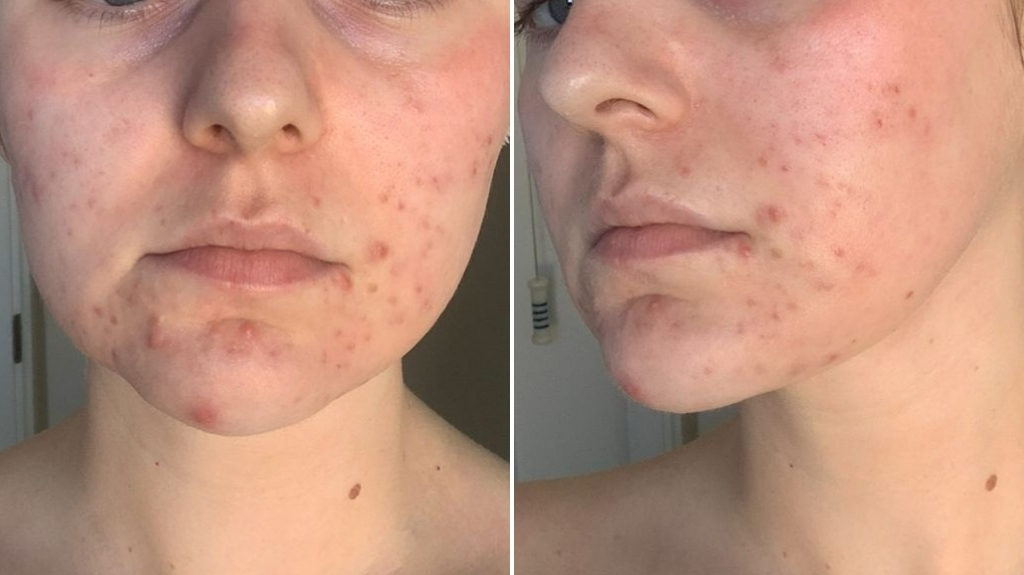
That is exactly where Marianne was when she first came to House of Aesthetics London in Bromley. She was dealing with persistent acne that had not responded to over-the-counter products, and her skin was already showing the telltale signs of post-acne scarring on top of active breakouts.

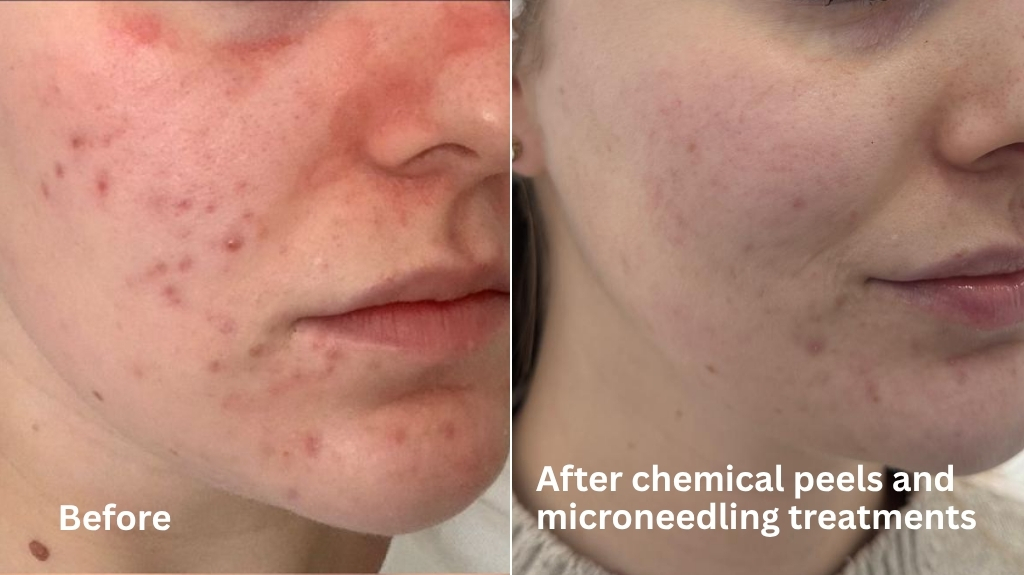
What followed was an 18-month treatment journey that addressed her skin in two distinct phases: first bringing the active acne under control, then repairing the scarring it left behind. Today, Marianne’s skin is clear, even-toned and completely transformed.

This is her story.

Phase One: Getting Active Acne Under Control

Before we could even think about tackling Marianne’s scarring, we needed to address the root problem: her active acne. Treating scars while the skin is still breaking out is counterproductive. New spots mean new inflammation, new damage and potentially new scars forming at the same time you are trying to heal old ones. Stabilising the skin first is always the priority.

For Marianne, we built the first phase of her treatment plan around two key treatments: Blemiderm and BioRe Peel.

Blemiderm

Blemiderm is a professional-grade treatment system specifically designed to target active blemishes, excess oil production and the congestion that fuels ongoing breakouts. For Marianne, Blemiderm played a dual role. In-clinic sessions worked to purify and decongest her skin, while the at-home Blemiderm products she used between appointments helped to keep breakouts at bay on a daily basis.

Consistency was critical during this phase. Acne does not clear overnight, and it takes time for the skin to recalibrate. Marianne was committed to her homecare routine, which made a real difference to the pace of her progress.

BioRe Peel

Alongside Blemiderm, Marianne had BioRe Peel sessions during phase one. BioRe Peel is a biphasic chemical peel that combines trichloroacetic acid (TCA) with biostimulating ingredients such as amino acids, vitamins and GABA.

During the acne-treatment phase, BioRe Peel served several purposes. The TCA component helped to exfoliate congested, breakout-prone skin, clearing away dead cells and debris that can clog pores and trigger further spots. At the same time, the biostimulating ingredients supported skin renewal and repair, helping Marianne’s skin become healthier and more resilient over time.

As the weeks progressed, the frequency and severity of Marianne’s breakouts reduced noticeably. New spots became less common, existing inflammation calmed, and her skin began to look and feel more settled. Once we were confident that her active acne was genuinely under control, we moved to the next stage.


Marianne's acne treatment

Phase Two: Repairing the Scarring

With the breakouts behind her, Marianne’s skin told a familiar story. The acne was gone, but it had left its marks. Her scarring was identified as PIE (post-inflammatory erythema): flat red or pinkish marks caused by lingering inflammation and dilated blood vessels beneath the skin’s surface.

PIE is one of the most common types of scarring left behind after acne, and it can be particularly stubborn. The redness occurs because the tiny capillaries in the skin have been damaged or widened during the inflammatory process. Even after a spot has fully healed, these vascular changes can persist for weeks or months, leaving the skin looking flushed and uneven.

The encouraging news is that PIE is a surface-level vascular change rather than structural damage to the skin. It does not involve tissue loss the way deep, pitted or ice-pick scars do. With the right treatments and a consistent approach, PIE can be significantly reduced or cleared entirely. The fact that Marianne’s scars were also relatively fresh worked in her favour. The sooner you begin treating post-acne marks, the more responsive they tend to be.

Microneedling

Microneedling, also known as collagen induction therapy, became the primary treatment during phase two. It uses a device fitted with fine, sterile needles to create thousands of controlled micro-injuries across the skin’s surface.

The principle is straightforward: when the skin experiences this controlled micro-trauma, it triggers the body’s natural wound-healing response. Collagen and elastin production increase, and as the skin repairs itself from the microneedling, it simultaneously works to repair the scar tissue alongside it. For PIE specifically, this regenerative process helps to normalise the damaged capillaries and calm the residual redness, gradually restoring a more even skin tone.

Marianne’s microneedling sessions were spaced four weeks apart. This gap is not arbitrary. The skin needs sufficient time to regenerate, repair and heal between treatments. If you treat too frequently without allowing that recovery window, you can actually slow your results because the skin never completes its full healing cycle.

The downtime from each session was very manageable. Marianne experienced redness and mild inflammation immediately after treatment, which is entirely normal. Around half of the redness faded by the same evening, and by the following morning only about 10 to 15 per cent remained. By day four her skin had largely settled, with some light shedding as the skin renewed itself. By day 14, she was fully recovered and ready to continue with her normal routine.

Why a Phased Approach Matters

Marianne’s journey is a clear example of why treating acne requires a structured, phased approach rather than jumping straight to scar treatments.

If we had started microneedling while Marianne still had active breakouts, several problems could have arisen. Microneedling on inflamed, acne-prone skin risks spreading bacteria across the face, potentially worsening breakouts. New spots would continue creating fresh scarring, undermining the repair work we were doing. And inflamed skin simply does not heal as efficiently, meaning the results from microneedling would have been compromised.

By clearing the acne first, we gave Marianne’s skin a stable, healthy foundation. When we then introduced microneedling, her skin was in the best possible condition to respond to treatment and heal optimally.

This two-phase model is something we follow for many of our acne clients at House of Aesthetics London. The specifics vary from person to person, but the principle remains the same: control the condition first, then repair the damage.

The Results: 18 Months Later

Marianne’s transformation did not happen overnight. It took patience, consistency and trust in the process. But over the course of 18 months, the change in her skin was remarkable.

During phase one, her breakouts gradually reduced until her skin was consistently clear and calm. During phase two, the red marks left behind by PIE steadily faded as the damaged capillaries healed and the skin rebuilt itself. Her skin tone evened out, her texture smoothed, and the persistent redness that had once been so prominent became virtually invisible.

Today, Marianne’s skin looks clear, healthy and radiant. More importantly, she feels confident in her skin again. Her results speak to what is possible when you take a thorough, personalised approach to acne treatment rather than chasing quick fixes.

Could a Similar Approach Work for You?

If you are dealing with active acne, post-acne scarring, or both, a tailored treatment plan could make a real difference to your skin. The key is having a proper consultation to assess where your skin is right now, so we can determine the right starting point.

If your acne is still active, we will focus on getting that under control first. If your breakouts have already settled and you are left with scarring, we can move straight to treatments like microneedling. Every plan is built around your individual skin type, your concerns and your goals.

At House of Aesthetics London in Bromley, we offer free consultations for acne and acne scar treatment. There is no pressure and no obligation. It is simply an opportunity for us to look at your skin, talk through the options and recommend a realistic path forward.

Frequently Asked Questions About Acne and Acne Scar Treatment

Can you treat acne and acne scars at the same time?

It is best to address active acne first before moving on to scar treatments. Treating scars while the skin is still breaking out can be counterproductive, as new spots create new inflammation and potentially new scarring. Once the acne is under control, treatments like microneedling can be introduced to repair the marks left behind.

What is Blemiderm and how does it treat acne?

Blemiderm is a professional treatment system designed to target active blemishes, excess oil production and skin congestion. It includes both in-clinic sessions and at-home products, providing a consistent approach to clearing breakouts and preventing new ones from forming.

How does BioRe Peel help with acne?

BioRe Peel is a biphasic TCA peel that exfoliates congested skin while biostimulating the deeper layers to promote renewal and repair. During the active acne phase, it helps clear pore-clogging debris and reduce inflammation. During the scarring phase, it assists with refining skin texture and supporting overall skin renewal.

What is PIE and why does acne cause it?

PIE stands for post-inflammatory erythema. It presents as flat red or pinkish marks on the skin where spots have healed. The redness is caused by damaged or dilated capillaries beneath the skin’s surface, a result of the inflammation triggered by acne. PIE is a vascular change rather than structural scarring, which means it responds well to treatments that promote skin regeneration and collagen production, such as microneedling.

What types of acne scars respond best to microneedling?

Microneedling is highly effective for surface-level scarring such as PIE, where the concern is redness and discolouration rather than tissue loss. Pitted or ice-pick scars can also be improved, though they are more challenging and may require additional or alternative treatments.

How many sessions will I need?

This depends on the severity of your acne, the type and extent of scarring, and how your skin responds to treatment. Marianne’s full journey took 18 months, encompassing both the acne-clearing and scar-treatment phases. We will give you a realistic timeline during your free consultation.

Is there any downtime after microneedling?

Downtime is minimal. Redness and mild inflammation are normal immediately after treatment but fade quickly. Around half the redness resolves by the same evening, and by day four the skin has largely settled. Full recovery takes approximately 14 days, during which some light shedding may occur as the skin renews itself.

How long do I need to wait between microneedling sessions?

Sessions are typically spaced four weeks apart. This allows the skin adequate time to regenerate, repair and complete its healing cycle before the next treatment. Treating too frequently can actually slow your results.

Can acne and acne scar treatment work on darker skin tones?

Yes. Post-acne redness and scarring affect all skin tones, and treatments like microneedling and BioRe Peel can deliver strong results when carried out by an experienced practitioner. A thorough consultation ensures the treatment plan is tailored appropriately for your skin type.

How much does acne treatment cost in Bromley?

Treatment costs depend on the combination of procedures recommended for your skin. We offer a free consultation at our Bromley clinic where we will assess your skin, discuss your options and provide transparent pricing for your personalised treatment plan.

Book Your Free Consultation

Whether you are dealing with active acne, stubborn scarring, or both, we are here to help. Book a free consultation at House of Aesthetics London, 14 Market Square, Bromley BR1 1NA, and let us create a personalised plan to get your skin back on track.

Book Your Free Consultation

More
articles